A faint scratching in the false ceiling at night, a light that suddenly stops working, or a strange smell coming from the AC. These signs may seem minor, but in many homes and offices in Kuwait they are the first warning that mice are moving around electrical wiring and AC lines. The danger is not just the nuisance; a chewed wire inside the ceiling can cause a short circuit or damage an expensive appliance.
This article explains why mice are drawn to wiring and air conditioners, where they hide inside the home, and how mouse control near electrical wiring and AC units in Kuwait should be done before damage occurs, including the roles of the pest control company, the electrician and the AC technician. It draws on Al Reyada’s work in homes, flats and offices in Farwaniya, Hawalli, Salmiya, Khaitan and Jabriya.
Why mice chew wires
-
Teeth that never stop growing: a mouse’s incisors grow throughout its life, so it must gnaw constantly to keep them in check, and wires have just the right thickness and texture.
-
Wires run along their routes: mice travel through dark voids such as false ceilings, behind plasterboard and inside cable trays, exactly where wiring runs.
-
Warmth: appliances, electrical panels and AC motors give off heat that attracts mice.
-
Nesting material: pipe insulation, foam and cork around AC lines are used to build nests.
How mice get into the house
The house mouse is very small and can squeeze through a gap roughly the width of a pencil. Common entry points include:
-
Split AC line openings: the hole where pipes and cables run to the outdoor unit, often left poorly sealed after installation.
-
Pipe and drain openings under sinks and behind washing machines.
-
Gaps under external doors and kitchen and store doors.
-
Cable routes from outside or from the electrical room.
-
Vents in ceilings and bathrooms.
-
Central AC ducts connected to the roof or plant rooms.
-
Cracks around windows and in older walls.
Signs of mice around wiring and AC units
-
Scratching or scurrying in the false ceiling, especially at night.
-
Small droppings about the size of a grain of rice on top of cupboards, under the sink or near the indoor AC unit.
-
Chewed wires or insulation visible when a panel or access hatch is opened.
-
Intermittent electrical faults, such as lights not working or a socket tripping.
-
A foul smell with AC airflow, which may indicate a dead mouse or a nest in the ducts or unit.
-
Fallen insulation, paper or foam from the ceiling or AC openings.
-
Greasy marks around openings mice use.
Why early action matters
A chewed wire usually goes unnoticed until a fault occurs, by which time a mouse may have been gnawing in several places for weeks. Risks include:
-
Short circuits or overheating of an exposed wire inside a ceiling or wall.
-
Damage to control boards in AC units and appliances.
-
Damaged AC pipe insulation and condensation leaks, causing damp and ceiling stains.
-
Contaminated AC air from droppings or the smell of a dead rodent.
-
Repair costs far higher than early pest control.
Steps for controlling mice around wiring and AC units

1. Inspection
The Al Reyada technician inspects:
-
The false ceiling through access hatches.
-
Around indoor and outdoor AC units and line openings.
-
The area around the electrical panel from the outside, without opening or touching it.
-
The kitchen, under sinks and behind appliances.
-
Store, maid and laundry rooms.
-
The roof, plant rooms and central AC duct entries.
Droppings and marks reveal mouse runways and the main entry points.
2. Electrical safety first
The pest control technician does not handle wires or electrical panels directly. If chewed or exposed wires are found, we advise switching off the relevant circuit and calling a qualified electrician to repair them, and we record their locations in our report. If the problem is inside an AC unit or its control board, we recommend an inspection by an AC technician. Our role is to eliminate the cause.
3. Traps along runways
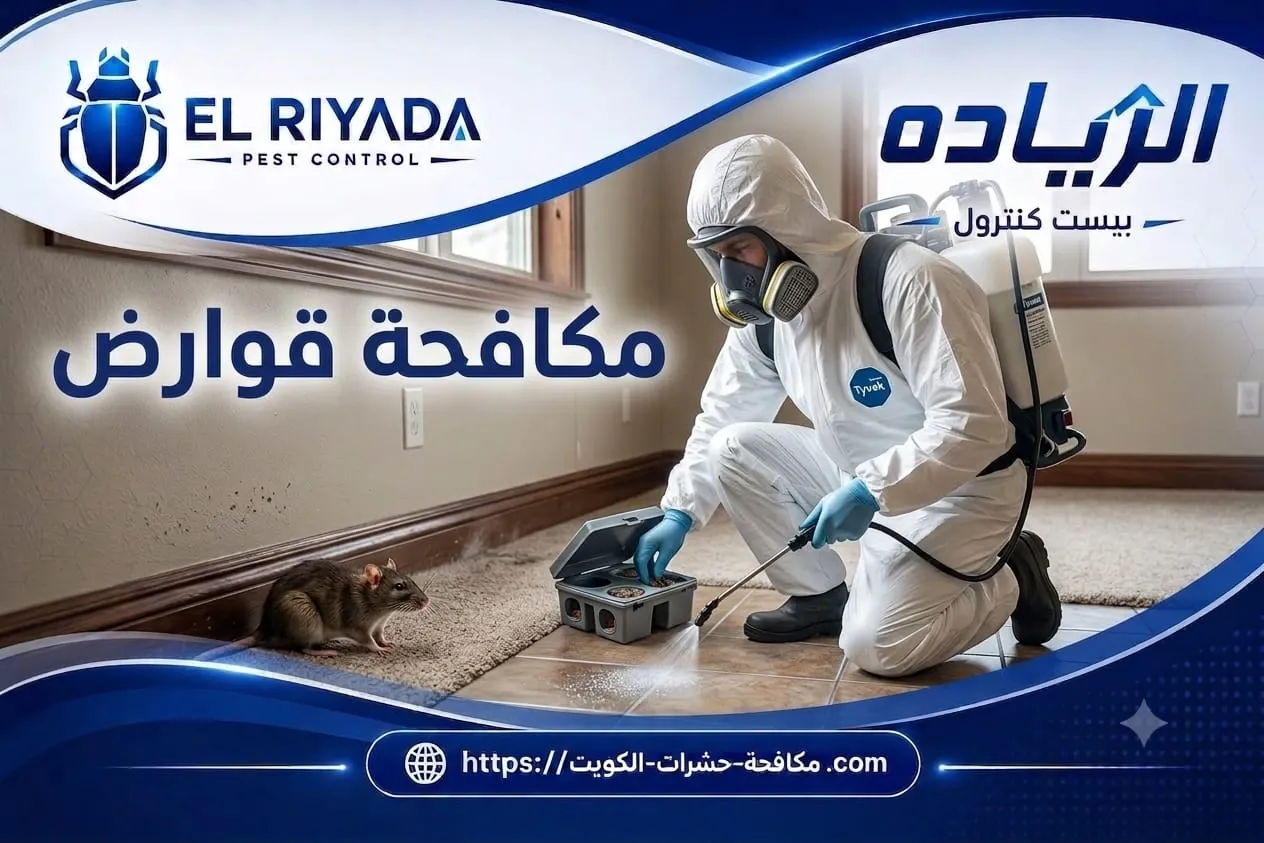
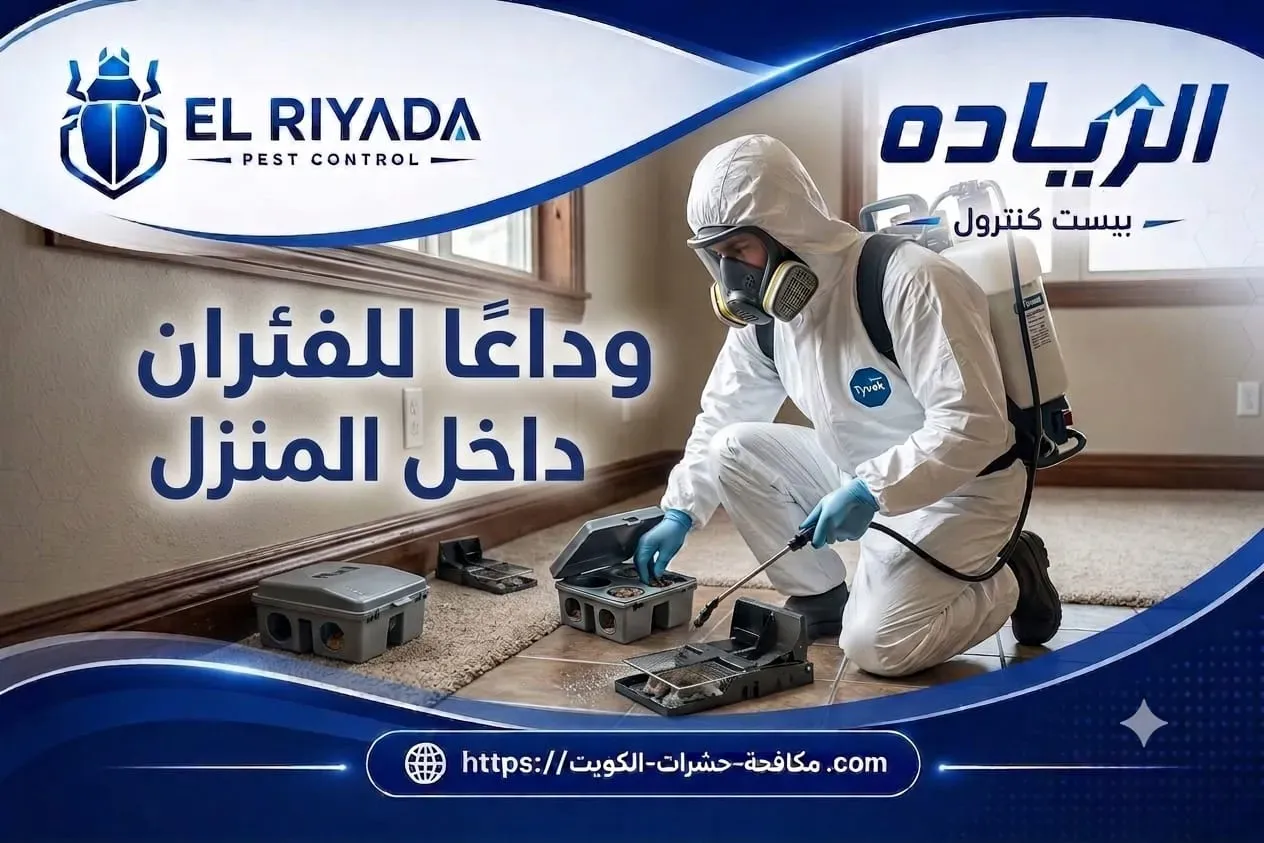
Inside homes and false ceilings we prefer mechanical traps inside protective boxes on runways and near entry points, because they catch the mouse so it can be removed immediately, rather than poisoned mice dying inside ceilings, walls or AC ducts and leaving an odour whose source is hard to reach. We do not recommend glue boards, which are inhumane and can cause a mess if a mouse drags them somewhere out of reach.
4. Bait stations outside
Locked bait stations are placed around the outside perimeter, such as along the boundary wall, near bins and in rooftop plant rooms, to reduce mice arriving from outside. They are anchored and kept out of reach of children and animals.
5. Sealing entry points
This is the most important step for preventing return:
|
Entry point |
Sealing method |
|---|---|
|
Split AC line opening |
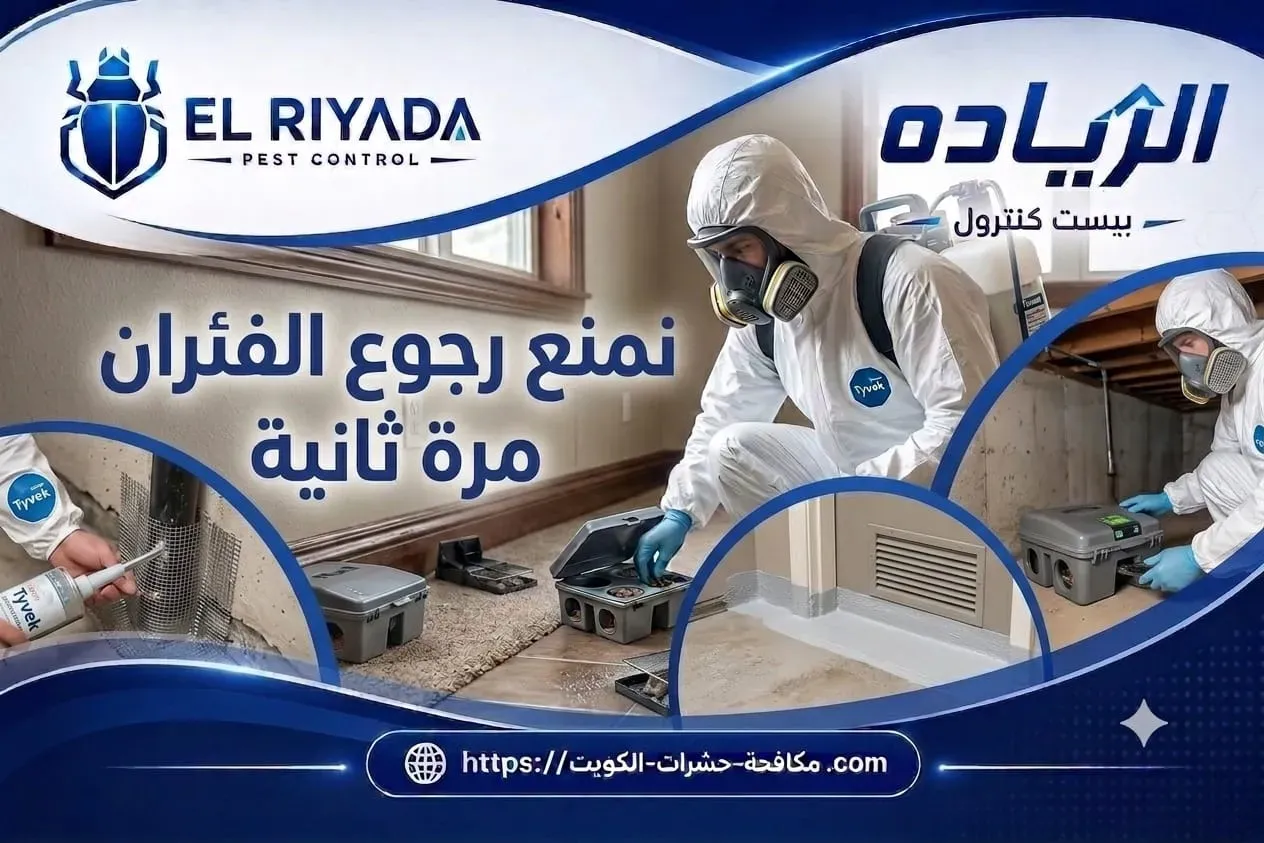
Steel wool or mesh packing, then suitable sealant or silicone, without squeezing the pipes |
|
Pipe openings under sinks |
Pipe collars or metal mesh with sealant |
|
Under external doors |
Tight rubber or brush door sweep |
|
Vents |
Fine metal mesh |
|
Cable routes from outside |
Gnaw-resistant sealing, coordinated with the electrician |
Ordinary expanding foam alone is not enough, as mice chew through it easily, so it is combined with steel wool or mesh.
6. Cleaning and disinfection
After the mice are removed, areas with droppings are cleaned damp rather than swept dry, to avoid raising contaminated dust, using gloves and a mask. If droppings or a dead rodent are found inside AC ducts, the ducts and filters should be cleaned by a specialist.
Central AC and ductwork
In homes and offices with central air conditioning, mice may travel inside the ducts and reach different rooms. Signs include a recurring smell in one room or noises inside a duct. We recommend:
-
Inspecting the rooftop AC unit and plant room and sealing any openings around them.
-
Fitting mesh over fresh-air intakes, coordinated with the AC technician.
-
Never placing poison bait inside ducts.
-
Cleaning the ducts after control is complete if droppings or a dead rodent are found.
Kitchens and food sources
Even when the problem is in the ceiling, mice come down to eat. Reducing food makes traps more effective:
-
Store rice, flour and grains in sealed containers.
-
Do not leave food out overnight, including pet food.
-
Clean behind the fridge and oven regularly.
-
Empty bins daily and keep lids closed.
-
Fix leaks under the sink.
Offices, shops and server rooms
Offices and shops have far more wiring, and damage can affect computers, network cables, alarm systems and cameras. In server and communications rooms the risk is even higher. For these premises we offer a regular programme including ceiling and cable tray inspections, permanent monitoring traps, sealing of entry points and a report after every visit so building management can follow progress.
Apartments and buildings
In apartment buildings, mice rarely start inside the flat. They come from shared areas: the refuse room, basement, electrical room and the cable and pipe routes running between floors. You may treat your flat and see mice return weeks later from a neighbouring flat or from below. The best solution is to coordinate with the caretaker or owner on a programme covering common areas, sealing gaps around pipes on every floor and keeping the refuse room door tight, while treating the flats where signs appear. If you are a tenant, photograph the signs and send them to the landlord; prompt action protects the wiring of the entire building.
Common mistakes
-
Putting poison inside the false ceiling: usually results in weeks of odour.
-
Sealing openings with foam only.
-
Ignoring noises in the ceiling until a fault occurs.
-
Opening the electrical panel or touching chewed wires without isolating the power.
-
Relying on ultrasonic repellers, whose effect is usually limited and temporary.
-
Controlling mice without fixing leaks and removing food sources.
Conclusion
Mouse control near electrical wiring and AC units in Kuwait needs speed and organisation: inspecting ceilings and AC openings, mechanical traps on runways, locked bait stations outside and tight sealing of entry points, coordinated with an electrician and AC technician to repair any damage. Early action protects your home from short-circuit risks and saves significant repair costs.
If you hear movement in the ceiling or find chewed wires, call or WhatsApp. Send a photo of the droppings or the area where you hear activity, and we will arrange a prompt inspection in your area.
Frequently Asked Questions
How do I know there are mice in my false ceiling?
Scratching noises at night, small droppings on cupboards or near ceiling hatches, fallen insulation and intermittent electrical faults are the main signs.
Should I put poison in the ceiling?
We do not recommend it, because the mouse may die inside the ceiling, wall or AC ducts, leaving an odour whose source is hard to reach. Mechanical traps are better indoors.
Who repairs chewed wires?
A qualified electrician, after the circuit is isolated. Our role is to remove the mice and seal entry points so the damage does not recur.
Is foam enough to seal the AC opening?
No, mice chew through foam easily. Steel wool or mesh packing followed by a suitable sealant works better.
How long does it take to get rid of mice in the house?
Simple cases are usually resolved within one to two weeks after sealing and trapping. Larger infestations need longer follow-up depending on the number of entry points.
Do mice in my flat mean the whole building is infested?
Not always, but mice often arrive through shared cable routes, pipe shafts or the refuse room. We inspect the flat and its connection points to the building and advise informing the caretaker or owner so common areas can be checked.