
Finding rats on a home's rooftop or inside an annex is more than an inconvenience. They may damage stored materials, gnaw on certain utility installations, and leave droppings in areas that are difficult to access. The problem is that seeing a rat on the roof does not necessarily reveal how it entered. It may have reached the area through external utility installations, structural openings, or connections between buildings. Effective control therefore begins by inspecting movement routes, gnaw marks, and droppings before selecting trap locations or sealing openings. It is also essential to make sure rats are not trapped inside the annex or enclosed cavities during sealing. The goal is to address existing activity and prevent repeated entry while preserving ventilation, drainage, and the safety of the home's utility systems.
Rats on the Roof

The presence of rats on the roof requires an inspection to determine whether the animals are using the rooftop as a passage to another location or remaining there because they have found shelter or a food source. Rooftops sometimes contain air-conditioning units, water tanks, pipes, and stored belongings. These features may provide movement routes or concealed areas that are difficult to notice during an initial inspection.
Important signs include droppings, gnaw marks, or repeated movement noises near a particular location. Dark rub marks may also appear along edges that rodents regularly use. However, relying on a single sign is not enough to determine the extent of the activity or the number of rats present.
For example, a homeowner might see a rat moving alongside the rooftop boundary wall before disappearing behind an air-conditioning unit. The appropriate response is not to place poison randomly behind the equipment. Instead, the surrounding route should be inspected to determine whether an opening leads into a cavity or connects to utility installations that allow movement elsewhere.
The way the rooftop is used must also be reviewed. Open bags, old materials, and accumulated belongings can make inspection more difficult, while organizing the area helps reveal signs of movement. However, materials that may conceal rats should not be moved directly by hand.
Treatment should combine route identification, control of existing activity, and the sealing of appropriate entry points after assessment. Eliminating a visible rat without identifying how it entered may not prevent others from appearing later.
-
Identifying where the rat was seen in relation to the rooftop boundary wall and air-conditioning units helps establish its possible movement route instead of assuming that it lives wherever it was last observed.
-
Examining droppings, gnaw marks, and rub marks along edges provides evidence that can be compared to identify the most active areas without relying solely on an isolated sighting.
-
Organizing belongings stored on the rooftop makes floors and corners easier to inspect and helps reveal potential hiding places without unsafely moving materials whose contents are unknown.
-
Connecting rodent control with an inspection of external entry points reduces the likelihood of continued entry after the current activity has been addressed, rather than simply removing the animal seen by residents.
Rats in a House Annex
Finding rats in a house annex is different from seeing them in an open rooftop area because an annex may contain storage rooms, a small kitchen, a bathroom, or utility installations passing through its walls. These features create potential entry points and hiding places that require inspection according to how the space is used.
The problem may begin with movement noises behind a suspended ceiling or the discovery of gnawed packaging inside a cupboard. However, these signs alone do not establish whether the rat is entering from outside or moving through a cavity connected to another part of the building. It is therefore necessary to follow the evidence and inspect the junctions between walls and floors and the spaces surrounding utility installations.
One common mistake is immediately sealing the first opening a homeowner notices, particularly when there are signs that a rat may be inside an enclosed cavity. Premature sealing may trap the animal somewhere difficult to reach. It is better to include sealing work in a plan that addresses existing activity and confirms the relevant entry routes.
Precautions also vary depending on how the annex is used. If it contains food or kitchen equipment, packaging should be inspected, and contaminated materials should be disposed of appropriately. If the annex is used for sleeping or sitting, safely handling droppings and cleaning affected surfaces become important parts of the service.
-
Inspecting spaces around annex utility installations and wall junctions helps identify potential entry routes instead of assuming that the rat must have entered through a door or window.
-
Distinguishing noises inside a suspended ceiling from movement evidence on the floor directs inspection toward the level where activity is occurring and prevents attention from being concentrated on an area unrelated to the problem.
-
Avoiding the sealing of cavities before assessing whether rats are inside them reduces the possibility of trapping rodents in enclosed spaces, which could later create odors and problems that are difficult to resolve.
-
Checking food products and frequently used surfaces inside the annex helps address contamination appropriately instead of assuming that the disappearance of the rat means the entire problem has been resolved.
Rat Entry Points to the Roof
Identifying rat entry points to the roof is particularly important when sightings continue despite cleaning the area. Rats can climb and make use of certain pipes, ledges, and building connections. They may reach the rooftop through a route that is not immediately obvious to the homeowner.
Inspection begins by examining the connections between the roof and adjacent building elements, including external utility installations, gaps around pipes, service openings, and wall junctions. Unfinished structural openings or damaged covers may also provide access to internal cavities.
It is essential to distinguish a climbing route from an actual entry opening. A rat might use an external pipe to reach roof level and then enter through a gap surrounding another installation. Treating only one opening may therefore be insufficient if several entry points exist. Similarly, removing one climbing route does not necessarily address every possible route.
Ventilation and drainage openings should not be sealed simply because they appear unnecessary. These openings perform essential functions, and any protective measures must suit their purpose without interfering with operation or maintenance.
If an opening connects to a cavity where recent noises or other signs of activity have been detected, the situation must be assessed before the opening is permanently sealed. The objective is to prevent entry from outside without leaving rodents trapped inside parts of the building.
-
Following the route from the climbing point to the actual entry opening helps address the problem comprehensively instead of sealing a gap near the sighting without evidence that the rats use it.
-
Inspecting gaps around pipes and service openings reveals locations that may allow rats to move between the roof and internal cavities, particularly where finishing work is incomplete.
-
Preserving ventilation and drainage functions while protecting openings prevents rodent-proofing work from causing blockages or faults in essential building systems.
-
Checking for activity inside cavities before permanent sealing reduces the risk of trapping rats and ensures that closing entry points is connected to inspection findings and control of the existing problem.
Rats in Rooftop Storage Rooms
The presence of rats in rooftop storage rooms may go unnoticed for some time, especially when the room is rarely used and filled with cardboard boxes, old furniture, and seasonal equipment. In this situation, the problem is not simply that a rat is present. It is also difficult to determine where it moves and which stored materials have been gnawed or contaminated.
Inspection begins by reviewing storage arrangements. Cardboard boxes placed directly on the floor and against walls make edges difficult to inspect, and they may show gnaw holes or signs of disturbance. Bags containing food, animal feed, or seeds also deserve attention because they may provide a food source if not stored securely.
It is not advisable to empty the storage room all at once or reach into boxes without knowing what is inside. Inspection should be organized gradually using appropriate protective equipment, with droppings and contaminated materials handled carefully. Dry rodent droppings should not be swept or vacuumed directly because doing so may release contaminated particles into the air.
After active areas have been identified, openings around the door, utility installations, and walls should be examined. A plan can then be developed to control the rats and prevent them from entering again.
-
Inspecting boxes and bags that show signs of gnawing helps identify damaged materials and movement areas without having to empty the storage room randomly.
-
Raising undamaged materials off the floor and arranging them away from walls makes the edges easier to monitor and helps reveal any new signs after treatment.
-
Handling rodent droppings using safe cleaning procedures reduces exposure to contaminants and prevents storage-room cleaning from becoming an additional health hazard.
-
Examining the gap beneath the storage-room door and spaces around utility installations helps identify entry points that may allow rats to return even after the existing activity has been eliminated.
Sealing Rat Entry Holes on the Roof
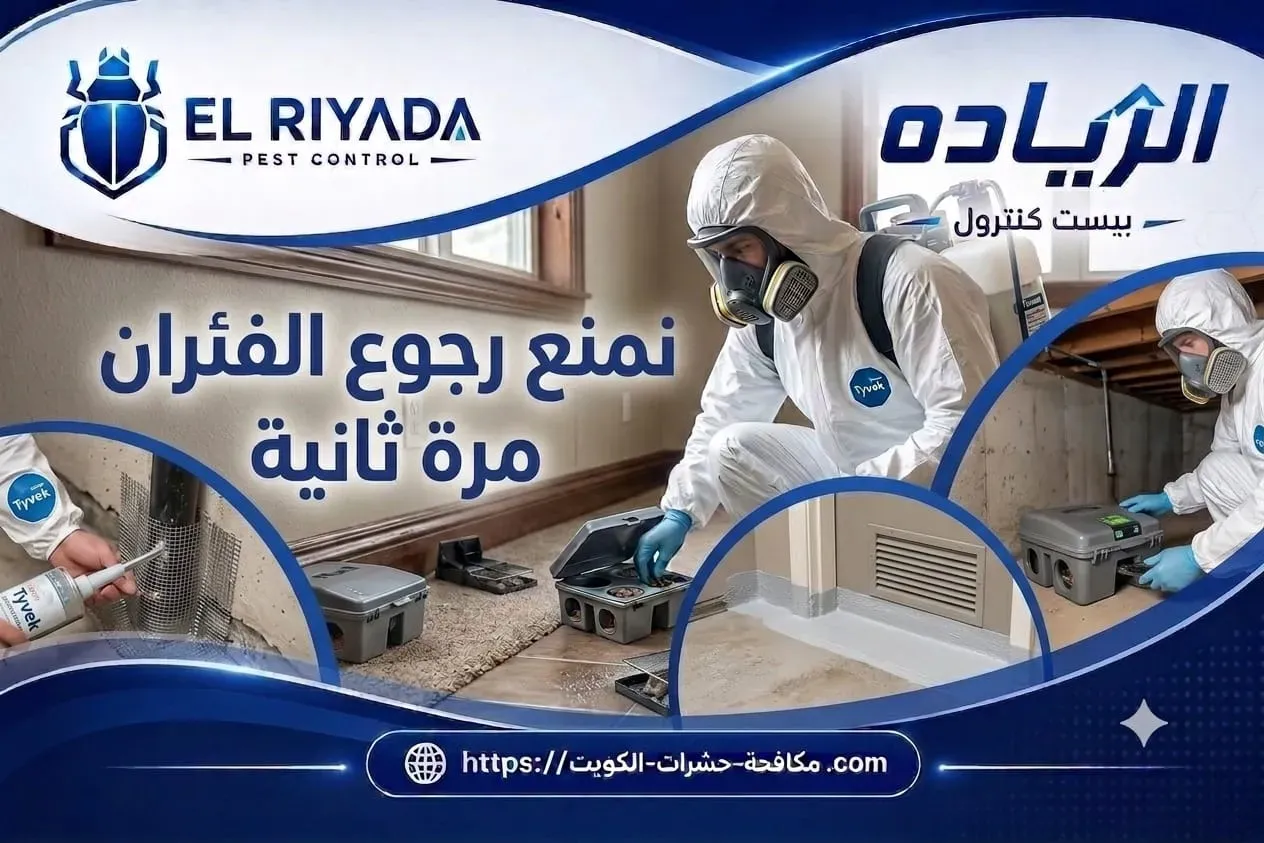
Sealing rat entry holes on the roof requires choosing materials suited to each opening because using an easily gnawed material or placing a superficial seal over a large gap may not provide lasting protection. Most importantly, the opening being treated should be properly identified before work begins.
The appropriate treatment differs between a gap around a pipe, an opening in a wall, and a damaged service cover. Some locations may require structural repairs, while others need suitable metal protection or specialized treatment that preserves the function of utility installations.
A common mistake is relying on foam or soft materials alone in areas exposed to gnawing, without installing an appropriate resistant barrier. Randomly placing metal materials around cables or pipes can also cause damage or obstruct future maintenance.
The timing of sealing work is equally important. If evidence suggests that a rat is inside a suspended ceiling or a cavity connected to the opening, existing activity should be addressed first, and the risk of trapping the animal should be eliminated before permanent closure.
After installation, the edges of the seal and the surrounding junctions should be inspected because a rat may use an adjacent gap if it remains open. Follow-up monitoring also helps determine whether other entry points were missed during the initial inspection.
-
Selecting a gnaw-resistant sealing material appropriate for the opening provides better protection than simply filling the gap with a soft substance that can deteriorate or be removed easily.
-
Assigning openings associated with electrical, air-conditioning, or drainage systems to the appropriate specialist prevents sealing work from damaging utility installations or disrupting essential building functions.
-
Postponing permanent closure when activity is detected inside a cavity reduces the risk of trapping rats and makes exclusion work part of a comprehensive rodent-control plan.
-
Inspecting the area surrounding an opening after it has been sealed helps identify neighboring cracks that could become alternative routes if they are not addressed within the scope of the work.
Rats Around Rooftop Water Tanks
Noticing rats around rooftop water tanks calls for an inspection of the surrounding environment without automatically assuming that the rats have entered the drinking water. Rodents may use tank bases, nearby pipes, or spaces behind tanks as movement routes or hiding places, especially when the area contains numerous utility installations.
Inspection begins by examining the ground around the tank, spaces beneath its base, and the areas surrounding pipes. Gnaw marks, droppings, and other signs of movement can be checked while avoiding direct contact with waste without appropriate precautions.
It is important to distinguish between a rat being near the tank and evidence that it has gained access to the interior. If the cover is damaged, openings are unsecured, or there are signs of possible contamination, water use that could expose people to risk should be suspended until the situation has been assessed by a qualified water-tank specialist.
Baits or pesticides must not be placed randomly on top of the tank or near its openings because protecting the water from contamination is a priority. Ventilation openings and functional pipes should not be blocked without understanding their purpose.
-
Inspecting tank bases and spaces behind pipes helps identify potential rodent routes without assuming that a rat near the tank has entered the water.
-
Checking the condition of the tank cover and associated openings helps reveal damage that may require specialist intervention before normal water use continues.
-
Avoiding pesticides or baits in locations where they could contaminate the tank protects water safety and ensures that control locations are selected according to clear precautions.
-
Separating rodent control from an assessment of water-tank safety prevents the removal of rodents from being treated as sufficient proof that the water is safe when signs of contamination require independent evaluation.
Signs of Rats in the Annex
Signs of rats in the annex may appear before anyone sees a rat directly, particularly when activity occurs at night, inside a suspended ceiling, or behind storage cabinets. Possible indicators include droppings, gnaw marks, and recurring noises. However, interpreting these signs requires examining their location and condition rather than treating every mark as proof of an active infestation.
Comparing old and new evidence helps determine whether activity is continuing. Gnaw marks on a wooden door may remain long after the problem has ended, whereas new damage appearing in the same location suggests that the area should be inspected again. The number of rats cannot be determined accurately from the amount of droppings alone.
Cables showing signs of gnawing must be handled carefully. If damage to cable insulation or signs of an electrical problem are noticed, the affected components should not be touched or repaired through improvised household methods. A qualified electrician should inspect them.
Droppings and contaminated materials also require cleaning according to appropriate safety guidance. Raising dust or sweeping dry droppings directly should be avoided, and food products or equipment exposed to contamination should be isolated until they can be assessed.
-
Comparing old gnaw marks with damage that has appeared recently helps establish whether the problem is still active rather than relying on marks that may have existed for a long time.
-
Recording the locations of droppings and noises inside the annex helps direct inspection toward possible movement routes without assuming that rats are present in every corner.
-
Referring damaged electrical cables to a qualified electrician prevents attempts to handle installations that may be unsafe because of gnawing or damaged insulation.
-
Cleaning contaminated areas without raising dust reduces exposure to waste and makes the treatment of rodent contamination a separate task from trapping rats or preventing their entry.
Preventing Rats from Entering the Annex
Preventing rats from entering the annex depends on inspecting the connections between the annex and the roof, yard, or main building. An annex may contain an external door, air-conditioning installations, water and drainage pipes, and ventilation openings. Gaps surrounding some of these features can provide entry routes if they are not properly protected.
Prevention begins with the spaces beneath doors and around their frames, followed by service openings and wall junctions. Closing the door alone should not be assumed to provide sufficient protection because rodents may use other routes that are not noticeable during everyday use.
Storage arrangements inside the annex also help with early detection. Leaving materials directly against walls or stacking boxes up to the ceiling makes it more difficult to inspect edges and utility installations. An organized space makes new droppings or damage easier to notice before the problem becomes more extensive.
Ventilation and drainage systems must continue functioning when protective measures are installed. If the annex contains a suspended ceiling connected to other cavities, activity inside those spaces must be assessed before potential routes are sealed.
-
Checking the gap beneath the door and the condition of its frame helps identify entry points that may remain accessible even when the door is normally closed.
-
Examining air-conditioning, water, and drainage penetrations through walls reveals unnecessary gaps that can be protected without disrupting utility systems or obstructing maintenance.
-
Leaving enough space to inspect walls behind stored belongings makes new signs easier to detect and helps monitor the effectiveness of preventive measures.
-
Confirming that connected cavities are free of active rodents before sealing them prevents rats from being trapped in areas that may become difficult to access once exclusion work is complete.
Jreedi Rats on the Roof
The expression Jreedi rats on the roof is used in everyday Kuwaiti speech to refer to rats. A homeowner may describe the problem this way after hearing nighttime movement or seeing a large rodent moving near the rooftop boundary wall. However, the local name alone is not enough to identify the rodent species, its size, or where it is living.
It is important not to assume that every noise on the roof is caused by a Jreedi rat. Sounds may come from other sources, so direct sightings, gnaw marks, droppings, and movement routes help confirm rodent activity before a control method is chosen.
If a Jreedi rat is seen moving along the roof's edge, it may be using that edge to reach another location. Repeatedly disappearing into a storage room or behind a fixed structure, however, may justify inspecting the area for a hiding place or entry opening.
The rat should not be chased, caught by hand, or cornered in a confined space because rodents may bite when threatened. It is better to keep people and pets away from the area and assess the movement route safely.
-
Using the local term Jreedi while specifying where the animal was seen helps communicate the problem clearly to a specialist without relying on the colloquial name to identify the species accurately.
-
Distinguishing an unexplained movement noise from confirmed evidence of rodents prevents rat-control measures from being initiated solely because of sounds that may have another cause.
-
Observing the direction in which the Jreedi rat moves along rooftop edges helps identify the route requiring inspection instead of concentrating only on the place where it was last seen disappearing.
-
Avoiding chasing or cornering the rat near doorways reduces the risk of bites and prevents the animal from being driven into a cavity or room that is difficult to access.
Rat Entry Point Sealing Company in Kuwait
When searching for a rat entry point sealing company in Kuwait, it is important to choose a service that does more than close visible cracks. The process should begin by identifying rodent movement routes and confirming that the openings being sealed are actual or potential entry points. Rats may appear on the rooftop even though their entry point is located at a lower level of the building, from which they climb using pipes or external ledges.
The scope of work differs from one home to another. One rooftop may require gaps around air-conditioning installations to be treated, while another annex may need repairs beneath its door or protection for specific service openings. A single standardized solution applied to every property without inspection may therefore leave other entry points accessible.
Inspection should also include an assessment of whether rats are present inside cavities before permanent sealing. Appropriate gnaw-resistant materials must be selected while ensuring that ventilation, drainage, and access to utility installations for maintenance are not obstructed.
It is preferable for the service quotation to specify the sealing locations, materials used, and whether control of existing rats, cleaning, and follow-up are included or offered separately. Successful work should not be measured simply by the number of openings closed, but by whether entry routes have been addressed while the building's systems continue functioning properly.
-
Requesting identification of the openings before work begins helps the homeowner understand why each location needs treatment instead of paying to seal cracks with no clear connection to rodent activity.
-
Reviewing the types of materials used to seal gaps makes it possible to distinguish gnaw-resistant repairs from temporary treatments that may deteriorate quickly or fail under outdoor rooftop conditions.
-
Confirming that there is a plan for rats already inside the building before sealing begins reduces the likelihood of trapping them behind walls or inside suspended ceilings after exit routes have been closed.
-
Clarifying the scope of work and follow-up arrangements in the quotation helps compare services fairly and establishes whether the offer covers inspection, control, and sealing or only one stage of the process.
Why Choose Al Reyada Pest Control in Kuwait
When evaluating why Al Reyada Pest Control is a strong choice for pest control in Kuwait, rat problems on rooftops and inside annexes require different criteria from those used for flying or crawling insects. The objective is not merely to eliminate the rodents currently present, but also to understand how they reached the property and what allows them to enter repeatedly.
Al Reyada Pest Control can be a suitable option when its service is based on inspecting movement routes, droppings, and gnaw marks before deciding where control measures should be placed. Connecting treatment with the sealing of appropriate openings also helps address the underlying causes of the problem rather than focusing only on a single visible rat.
Careful planning becomes particularly important when water tanks, electrical installations, or storage rooms containing food and household belongings are present. These locations require special precautions when selecting trap or bait positions and sealing materials. The appropriate specialist should also be involved whenever electrical or structural repairs are necessary.
No company can reasonably be judged the best simply because of its name or advertising. The quality of the inspection, clarity of the work plan, safety precautions, and follow-up after implementation provide more meaningful criteria.
-
Inspecting rat movement routes before choosing control locations ensures that the response is based on evidence found on the rooftop and inside the annex instead of placing control measures randomly.
-
Combining rodent control with entry point sealing helps reduce the chances of recurrence while ensuring that cavities potentially containing active rats are not closed prematurely.
-
Considering water tanks and electrical installations during treatment helps avoid procedures that could contaminate water or damage building systems.
-
Explaining inspection, implementation, and follow-up procedures to the homeowner provides an opportunity to evaluate the service and understand what has been addressed and what may require further monitoring or repair.
Conclusion
Seeing rats on the roof or inside an annex does not necessarily mean that the place where they were observed is the source of the problem. Rodents may use pipes, ledges, and gaps around utility installations to reach elevated areas before hiding behind water tanks or inside storage rooms and cavities.
Proper treatment therefore begins by identifying signs of activity and entry routes, followed by dealing with existing rodents and sealing appropriate openings without interfering with ventilation, drainage, or utility installations. Affected areas must also be cleaned safely, and any damage to electrical cables or stored belongings should be assessed.
When requesting rodent control and entry point sealing services, accurate inspection, a clearly defined scope of work, and follow-up are more important than simply spraying the area or sealing random openings. The objective is to address the conditions that allow rats to enter and reduce the likelihood of their return to the rooftop and annex.
Frequently Asked Questions
Where do rats enter a home's rooftop?
Rats may reach rooftops using certain external pipes or ledges connected to the building, then take advantage of gaps around utility installations and service openings. Identifying the actual entry point requires following movement evidence and inspecting connection points.
Can rats climb pipes to reach the roof?
Yes. Some rats can climb suitable surfaces and pipes. However, the presence of a pipe near the sighting does not prove that it is the entry route unless repeated observations or other evidence support that conclusion.
How can I tell if there are rats in my house annex?
Possible signs include droppings, gnaw marks, recurring noises, and damaged packaging. These indicators should be assessed together to determine whether rodent activity is ongoing.
Do rats seen on the roof always live there?
Not necessarily. Rats may use the rooftop as a passage between different locations or search for food and shelter there, while their main hiding place may be elsewhere in the building or its surroundings.
Is sealing openings enough to eliminate rooftop rats?
Sealing alone is not sufficient if rats are already inside the property. Existing activity must be assessed and controlled before openings that may serve as exits from cavities are permanently closed.
What is the best material for sealing rat entry holes?
The appropriate material depends on the opening's size, location, and surrounding surface. Openings require suitable gnaw-resistant materials and barriers that do not interfere with utility installations or building functions.
Can foam alone be used to seal rat entry points?
Relying solely on soft foam in areas exposed to gnawing is not recommended because it may not provide an adequate barrier. The opening should be assessed and treated with suitable materials.
Why do rats appear inside rooftop storage rooms?
Storage rooms may provide hiding places, materials that can be gnawed, or food sources when belongings and bags are not stored securely. However, these conditions alone do not identify the rats' entry route.
Do rats around a rooftop water tank mean the water is contaminated?
No. A rat near a water tank does not prove that it entered the tank. However, a damaged cover or signs of possible contamination require a specialist assessment of the tank and water safety.
How should I clean rat droppings inside the annex?
Avoid sweeping dry droppings or vacuuming them directly. Follow appropriate safe cleaning and disinfection guidance, use suitable protective equipment, and avoid raising dust.
Can rats damage electrical cables in an annex?
Yes. Rodents may gnaw the insulation on electrical cables. If electrical damage is noticed, avoid touching affected components and ask a qualified electrician to inspect them.
What should I do if I hear rats moving inside a suspended ceiling?
Avoid opening or striking the ceiling in an attempt to drive the rodents out. Instead, identify where and when the noise repeatedly occurs and request an inspection to establish movement routes before sealing any openings connected to the cavity.
What does Jreedi on the roof mean in Kuwait?
Jreedi is a commonly used Kuwaiti term referring to a rat. However, identifying the rodent species requires examining its characteristics and signs rather than relying on the local name alone.
What determines the cost of sealing rat entry points in Kuwait?
The cost depends on the number and size of openings, how difficult they are to access, and the repair materials required. It also depends on whether the service includes rodent control, inspection, and follow-up or only the sealing work.
Why choose Al Reyada Pest Control for rooftop and annex rats?
Al Reyada Pest Control can be evaluated according to the clarity of its entry point inspection, movement route assessment, rodent-control plan, sealing procedures, and follow-up, while taking into account the safety of water tanks, utility installations, and the people using the property.