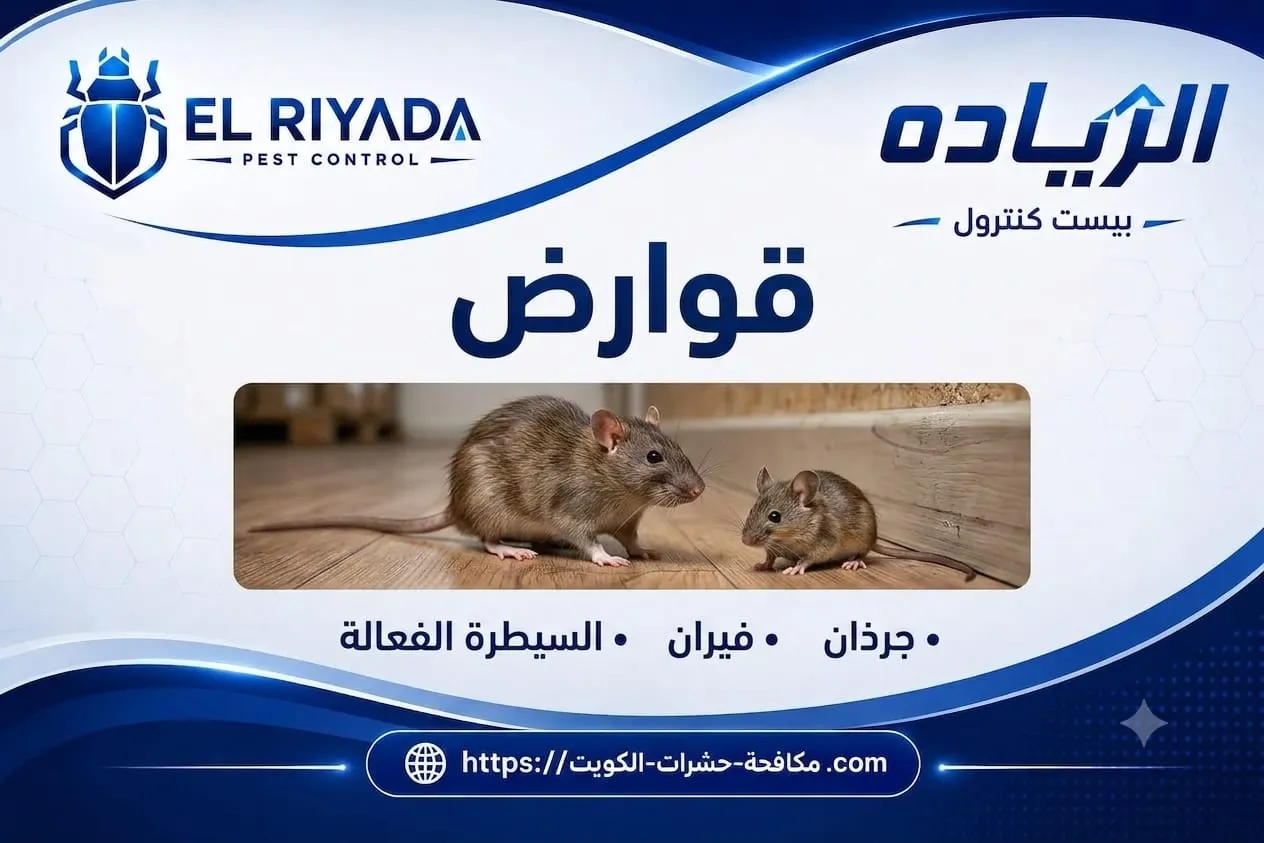
A rat emerging from a bathroom drain or appearing near a home's sewer inspection chamber requires a different approach from dealing with rats in storage rooms or on rooftops. Drainage systems contain pipes, connections, and inspection chambers, and rodents may exploit certain defects or unprotected openings to enter a building. However, seeing a rat near a drain does not always prove that it came from inside the pipe. Treatment should therefore begin by identifying the entry route and inspecting drain covers and connections before selecting control measures or installing backflow prevention devices. Most importantly, sealing openings must not obstruct wastewater drainage or trap rodents in areas that are difficult to access. An appropriate solution combines drainage inspection, rat control, and repairs to identified defects.
Sewer Rats in Kuwait
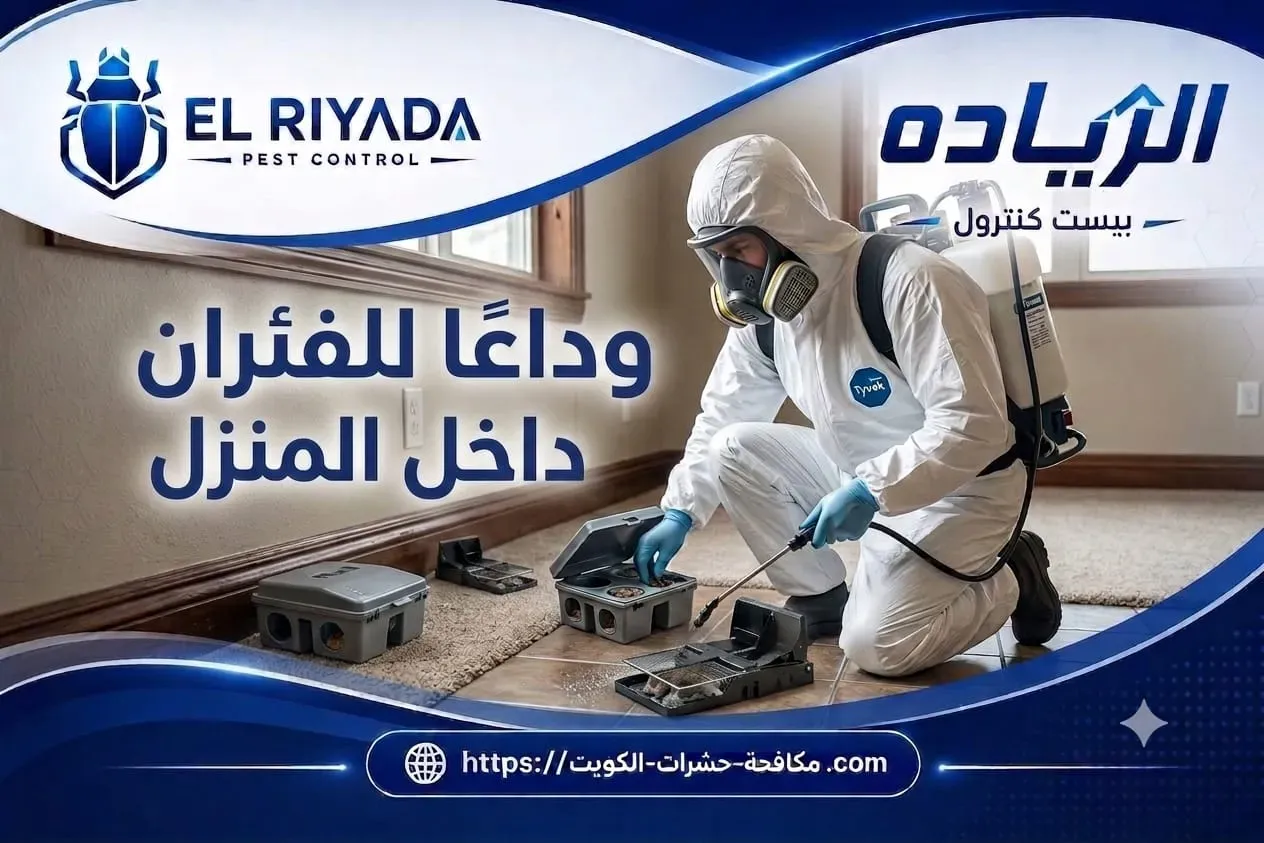
Dealing with sewer rats in Kuwait requires understanding the relationship between public sewer networks and a home's private drainage system. Rodents may move through certain parts of sewer networks and exploit connections, inspection chambers, or structural defects to reach areas near buildings. Nevertheless, finding a rat beside a drainage opening does not automatically mean that it came from the public sewer network.
Assessment begins by identifying exactly where the rat was seen. Did it appear inside the bathroom, near an inspection chamber in the yard, or beside an outdoor drain? This distinction matters because each situation suggests different possibilities and requires an appropriate inspection.
For example, if a rat is spotted near a poorly secured inspection chamber cover, the cover and its edges should be examined before assuming that a pipe is damaged internally. However, if a rat is repeatedly seen emerging from an indoor drainage opening, inspecting the connections and existing barriers along the drainage route becomes more important.
It is essential to understand that drainage work involves more than sealing gaps. Pipes must allow wastewater and waste materials to flow normally, and inspection chambers must remain accessible for maintenance. Materials that block the drainage passage or unsuitable barriers that restrict flow should therefore never be installed.
Some situations may require cooperation between a rodent-control specialist and a qualified plumber, particularly when a broken pipe, leak, or faulty connection is involved. The responsible authority should also be contacted if the problem concerns the public sewer network outside the property's boundaries.
-
Identifying whether the rat was seen inside the home, near an outdoor drain, or beside an inspection chamber helps narrow the inspection area instead of treating every drainage opening as though it were the same source of the problem.
-
Distinguishing defects in the property's private drainage system from problems involving public utilities clarifies which party should address the fault and prevents repairs from being carried out on infrastructure outside the homeowner's responsibility.
-
Inspecting inspection chamber covers and their edges before opening pipes can reveal visible defects that may allow rodents to pass without assuming that an unconfirmed internal pipe break exists.
-
Preserving drainage efficiency and access for network maintenance ensures that rodent prevention measures do not cause blockages, wastewater backups, or difficulties reaching inspection points in the future.
Rats Coming Out of Drains
When a homeowner reports rats coming out of drains, the first step is to confirm the actual exit point. A rat may have appeared beside an uncovered floor drain, emerged from a cavity near the pipes, or been seen moving toward the drain rather than coming out of it. Establishing this distinction prevents choosing a solution that fails to address the real cause.
If a rat is directly observed emerging from a drainage opening, use of the affected area should be temporarily restricted, and children and pets should be kept away. Attempting to catch the rodent, push it back into the pipe with a stick, or pour chemicals onto it is not recommended.
The drain itself must be inspected, including its cover, how securely the cover is fitted, the condition of the drain body, and its connected pipework. An exposed opening or damaged component may allow rodents to pass, but the exact defect cannot be established without inspection.
It is also important to understand that drain covers are not all the same. A bathroom floor drain cover differs from an outdoor yard drain or an inspection chamber cover in size, function, and water-flow requirements.
If rats repeatedly emerge despite the visible cover appearing intact, a deeper defect in the drainage route may require technical inspection. The drain should never be permanently blocked because it performs an essential wastewater drainage function.
-
Recording the rat's actual exit point as directly observed helps distinguish a problem inside the drain from one involving a nearby structural cavity without basing the control plan on an unconfirmed assumption.
-
Keeping people away from the drain after a rat emerges reduces the risk of bites or direct contact and allows the area to be inspected without attempting to chase the rodent around the bathroom.
-
Checking the cover's fastening and the condition of the drain body helps identify broken or loose components that may require suitable replacement rather than simply placing a heavy object over the opening.
-
Avoiding the indiscriminate pouring of pesticides or chemicals into the drain prevents additional risks to residents, plumbing components, and the drainage system without guaranteeing that the source of rodent activity will be reached.
Sewer Rat Control
Effective sewer rat control involves managing rodent activity while protecting the drainage system. It differs from placing traps in a dry storage room because sewer environments may contain contaminated water, hazardous gases, and enclosed spaces that are difficult to access safely.
Control begins by examining evidence available from outside the drainage system, including sightings, movement signs, and the condition of covers and openings. The specialist then determines whether rodent-control measures are needed at safe, appropriate locations or whether a faulty connection must be repaired because it provides access to the home.
Homeowners should never climb into an inspection chamber or place their heads inside it to search for rats. Sewer chambers may contain toxic gases or oxygen-deficient atmospheres, and they cannot be considered safe simply because the cover is open or the smell is not particularly strong.
Indiscriminate use of poisons inside sewers may also create environmental and operational risks. It should never be assumed that every rodent bait is suitable for use in drainage systems. Any treatment must comply with product instructions and applicable requirements and must be performed by qualified personnel.
If the underlying problem is a broken pipe or poorly sealed connection, rat control alone will not repair that defect. The situation may therefore require plumbing repairs alongside rodent control, followed by monitoring to confirm whether sightings have stopped.
-
Assessing rodent activity from safe inspection points outside confined spaces helps establish the extent of the problem without exposing residents to hazardous gases or contamination inside sewer chambers.
-
Selecting control methods specifically authorized for the intended location prevents the use of baits or pesticides unsuitable for sewer environments or capable of causing unintended harm.
-
Repairing broken connections or poorly sealed openings when identified addresses an entry route that might continue allowing rats to pass even after rodent activity temporarily decreases.
-
Monitoring sightings after control measures and repairs helps evaluate the results and determine whether another entry point requires inspection instead of repeating treatment without understanding why the problem persists.
Preventing Rats from Emerging from Drains
Preventing rats from emerging from drains requires understanding the type of drain before installing any barrier. A bathroom floor drain differs from a yard drain or an inspection opening, and each has a particular function and connection arrangement that affects the choice of protective device.
In some cases, replacing a broken or poorly secured cover may solve the immediate opening problem. Other situations may require inspecting the drain itself or installing a device designed to restrict rodent movement back through a suitable section of the drainage system. No ordinary metal mesh or valve should automatically be considered suitable for every drain.
A common mistake is inserting an improvised metal piece into the drainage opening because it may collect hair and debris and cause a blockage. Some backflow prevention devices also require specific installation space and sufficient access for cleaning and maintenance.
If rats are repeatedly observed emerging from a particular drain, the cover, connections, and direction of flow should be checked before deciding on a solution. Sometimes the defect is located elsewhere in the drainage network rather than at the opening where the rodent appears.
Prevention also includes checking covers after cleaning and maintenance. Leaving a drain uncovered or reinstalling its cover loosely may allow the problem to return even after the previous rodent activity has been addressed.
-
Choosing a protective device according to the drain's type, size, and function prevents the installation of an unsuitable barrier that could restrict water flow or become difficult to clean when debris accumulates.
-
Replacing broken covers with properly fitted and securely installed alternatives addresses visible weaknesses without permanently blocking the drain or temporarily placing heavy objects over the opening.
-
Ensuring that a backflow prevention device can be cleaned after installation maintains drainage efficiency and reduces the possibility of the barrier itself becoming a point where sediment accumulates.
-
Checking drains after plumbing and cleaning work helps identify covers that have not been correctly reinstalled before they become potential routes for rodents.
Sealing Rat Entry Points in Sewers
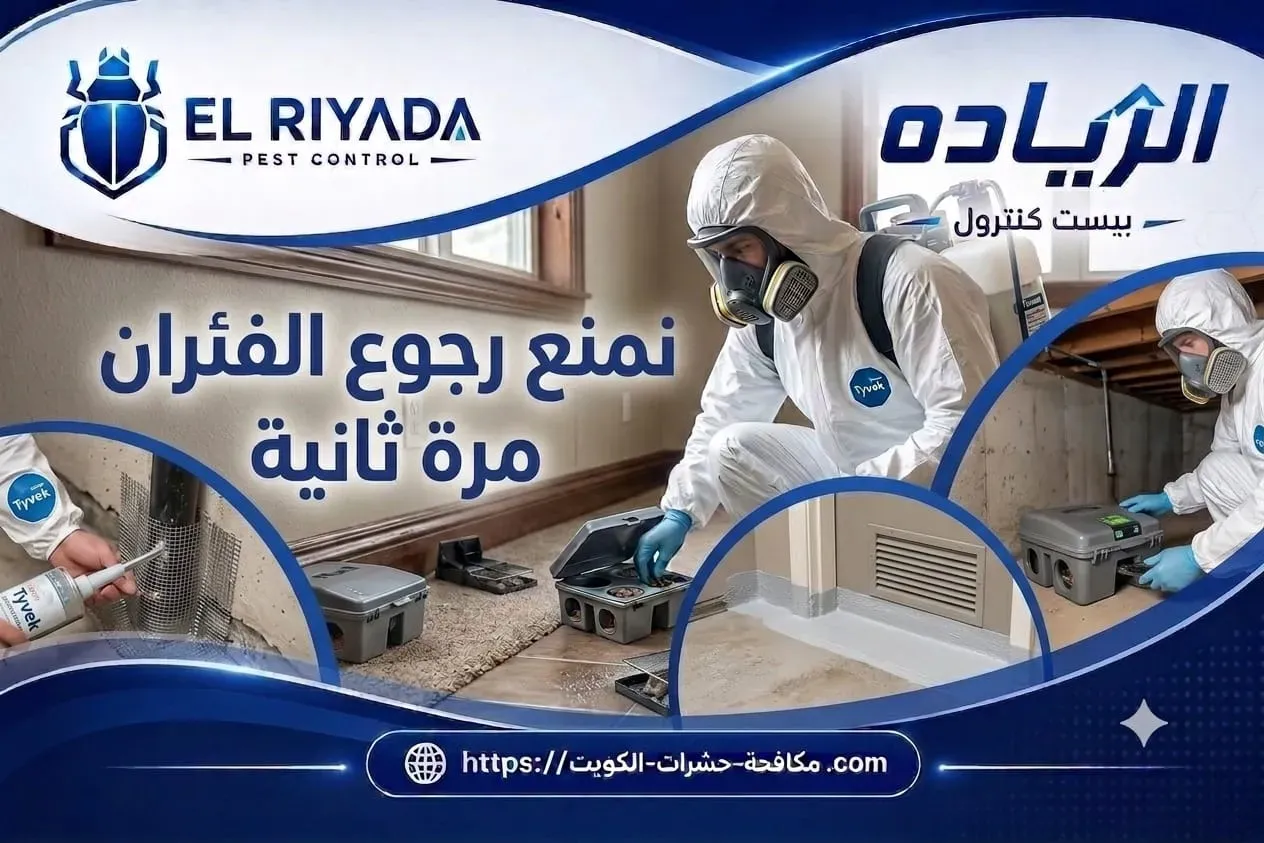
Sealing rat entry points in sewers does not mean closing drainage pipes or filling gaps with mortar without inspection. There is an important difference between a structural crack around a pipe that requires repair, a functional drainage opening that must remain unobstructed, and damage to the pipe itself that requires appropriate technical treatment.
Inspection begins by identifying the location of the defect. A gap may exist between a pipe and a wall, allowing rodents to enter a cavity inside the building while the drainage passage itself remains intact. In another situation, signs of damage may appear around an inspection chamber or one of its covers.
Repair materials must be selected according to the opening's location and its exposure to moisture and movement of utility installations. Materials suitable for sealing a crack in a dry wall are not necessarily appropriate for an environment constantly exposed to water or the maintenance requirements of drainage pipes.
Sealing work should also not begin until it has been established that rats will not be trapped inside cavities connected to the opening. The repair must not conceal a leaking connection that requires separate attention.
-
Distinguishing structural gaps from essential drainage openings helps block rodent routes without closing water passages or interfering with the drainage system's functions.
-
Repairing the gap surrounding a pipe without damaging the pipe itself prevents rodents from moving through the wall while preserving the integrity of the installation and access for maintenance.
-
Choosing materials capable of withstanding moisture at the repair location reduces the likelihood of the seal deteriorating quickly or separating from the surrounding surface during continued use.
-
Checking the connection for leaks and confirming its condition after the repair prevents the opening from being considered successfully sealed while an underlying drainage fault remains unresolved.
Rats Inside Drainage Pipes
The possibility of rats inside drainage pipes requires clear supporting evidence because hearing a noise near a pipe does not prove that a rodent is moving inside it. Sound may travel from an adjacent cavity or a gap surrounding the installation, making it necessary to identify the actual location of the activity before dismantling any part of the system.
The problem may occur where a damaged connection or unprotected opening allows rodents to access the drainage route. However, the fact that a rat can move through some sections of a drainage network does not mean it can pass through every pipe or overcome every barrier installed within the system.
If there has been a direct sighting or strong evidence of activity inside the pipes, a qualified plumber should assess the connections, coordinating with a rodent-control specialist when necessary. Some situations may require suitable technical inspection methods rather than guesswork or randomly dismantling pipework.
Pouring chemicals or using extremely hot water in an attempt to drive a rat out is a mistake. These actions may damage certain plumbing components or expose people to danger, and they do not guarantee that the entry source will be addressed.
-
Distinguishing sounds originating inside a pipe from those coming from the surrounding cavity prevents unnecessary repairs before the rodent's actual location has been identified more accurately.
-
Inspecting connections and transition points between sections of the drainage system helps identify defects that may allow entry without assuming that every pipe is affected by the same problem.
-
Avoiding the dismantling of drainage installations before locating the defect reduces the possibility of leaks or additional damage to a system that may otherwise be functioning normally.
-
Coordinating plumbing inspection with rodent control when activity is confirmed helps address both the entry route and existing activity rather than repairing one aspect while leaving the other untreated.
Rats Coming Out of the Toilet
Seeing rats coming out of the toilet is an alarming situation that requires a prompt but calm response, particularly when it occurs in a bathroom used by family members every day. Although rodents can sometimes reach toilets through certain drainage systems, such an incident does not necessarily mean that every toilet in the home has a problem or that rats can pass through all types of plumbing connections.
If a rat appears inside the toilet bowl, people should move away and prevent children and pets from entering the bathroom. Nobody should attempt to catch the animal or force it back into the toilet using household tools. The bathroom door can be closed to isolate the area if this can be done safely without approaching the rodent.
Once the immediate situation has been brought under control, the toilet's drainage route and connected plumbing must be inspected. A defect may exist in part of the system or at a point that allows rodents to pass, but identifying it requires an assessment rather than assuming that replacing the toilet fixture alone will solve the problem.
Any contamination resulting from the rat's presence must also be addressed using appropriate cleaning and disinfection precautions. If the incident occurs repeatedly, examining the drainage network and suitable backflow prevention devices becomes increasingly important.
-
Isolating the bathroom when a rat appears in the toilet without approaching it reduces the likelihood of the rodent moving into other rooms and protects family members from bites during attempts to remove it.
-
Avoiding chemicals or attempts to force the rat back into the toilet prevents additional risks to people and plumbing components without guaranteeing control of the animal.
-
Inspecting the plumbing connections and drainage route before deciding to replace the toilet helps determine whether the fault is associated with the network rather than the sanitary fixture itself.
-
Assessing the need for a suitable rodent backflow prevention device after the incident has been addressed helps reduce recurrence while ensuring compatibility with the drainage system and avoiding blockages.
Rats in the Home's Sewer Inspection Chamber
Finding rats in the home's sewer inspection chamber requires distinguishing rodents moving inside the chamber from those appearing around its cover outside. The inspection chamber is an important part of the drainage network and may be accessible through routes connected to pipes, while damaged covers can leave openings around their edges.
Inspection begins from outside by checking the condition of the cover and frame and whether the cover sits securely in position. Signs of movement may be visible nearby, but the chamber should not be opened or entered without appropriate qualifications and equipment.
The danger associated with sewer inspection chambers is that they may contain toxic gases or atmospheres that are unsafe to breathe, even when there is no strong smell. Inspection of internal sections must therefore be performed by personnel qualified in confined-space procedures whenever necessary.
If the cover is broken or poorly fitted, it may need to be replaced with an appropriate component. If the defect involves internal pipe connections, it should be assessed by a drainage specialist. Pesticides and baits must not be placed randomly inside the chamber.
-
Inspecting the inspection chamber cover frame and its stability from outside helps identify visible gaps that may require repair without exposing the homeowner to the dangers of opening a sewer chamber.
-
Avoiding entry into the inspection chamber or placing one's head inside it protects against toxic gases and oxygen deficiency, which cannot be reliably assessed by looking inside or relying on smell.
-
Distinguishing a damaged cover from a defect within the pipe network directs repairs toward the correct component instead of replacing the cover while leaving the underlying problem unresolved.
-
Ensuring that the inspection chamber remains accessible for opening and maintenance after repairs preserves its essential inspection function and prevents sealing materials from obstructing future drainage work.
Rat-Proof Drain Covers

When choosing a rat-proof drain cover, it is not enough to rely on the product name or external appearance. The cover's effectiveness depends on whether it fits the drainage opening correctly, how securely it is installed, and its resistance to displacement, while still allowing water to flow without obstruction.
The requirements for a bathroom floor drain cover differ from those for an outdoor yard drain or kitchen drain. Some openings are designed to handle large quantities of water, while others require protection that prevents unwanted objects from passing through without affecting everyday use.
It is also essential to distinguish an external drain cover from an internal barrier designed to prevent rodents from moving back through the drainage system. A securely fitted cover may protect an exposed opening, but it does not necessarily address another route within the pipe network. Internal barriers also need to be technically compatible with pipe diameter, flow direction, and cleaning requirements.
The cover should be checked after installation to confirm that it is secure and that no unintended gaps remain around it. Drainage performance should also be monitored during normal use.
-
Matching the cover's dimensions to the drain opening and its frame prevents side gaps that could allow rodents to pass even when the cover appears suitable from above.
-
Selecting a design that can withstand use and site conditions helps avoid covers that move easily or deteriorate because of repeated traffic or exposure to outdoor conditions.
-
Ensuring that the protective device does not obstruct water flow or drain cleaning reduces the likelihood of debris accumulation and prevents the barrier from becoming a new cause of blockages.
-
Checking the cover's stability after routine drain maintenance ensures that it has not been left loosely fitted following cleaning or sediment removal.
Sewer Rat Control Company
Choosing a sewer rat control company requires considering the nature of the service because dealing with rodents associated with drainage systems differs from controlling rats inside rooms or storage areas. The problem may involve a poorly fitted drain cover, a damaged drainage connection, or activity inside an inspection chamber, and each situation has different requirements.
The service should begin by identifying where rats have been seen and examining available evidence without assuming that the public sewer network is responsible. If a plumbing defect is discovered, the need for a qualified plumber should be explained rather than simply repeating rodent-control treatments.
It is important to ask the company about the limits of its work, especially when the situation requires inspecting a sewer chamber or part of the drainage system. Entering enclosed inspection chambers requires specialized safety procedures and should not be treated as a routine part of every rodent-control visit.
The cost of the service also varies according to the number of drainage points requiring inspection, the nature of the activity, and whether repairs or backflow prevention devices are necessary. It is therefore preferable to request a quotation specifying what is included and whether plumbing work, cover installation, and follow-up are charged separately.
-
Choosing a service that identifies the source of activity before placing control measures helps avoid treating an intact drain while leaving the actual entry opening unrepaired.
-
Asking how inspection chambers and sewer access points will be handled clarifies whether the required work involves additional specialists and equipment appropriate for confined-space hazards.
-
Checking whether drainage repairs and protective barrier installation are included in the service prevents confusion between the cost of rodent control and the cost of repairing technical defects that allow rats to return.
-
Requesting an explanation of follow-up procedures after treatment helps assess whether the problem continues and whether another drainage point needs inspection instead of repeating the same treatment without a new diagnosis.
Why Choose Al Reyada Pest Control in Kuwait
When considering why Al Reyada Pest Control is a strong choice for pest control in Kuwait, sewer rat problems should be evaluated according to diagnostic accuracy and safe implementation rather than simply how quickly baits are placed or a visible rat is eliminated.
Al Reyada Pest Control can be a suitable option when the service begins by examining where rats emerge, the condition of drains and covers, and signs of movement. This helps establish whether the problem requires rodent control, a technical repair to the drainage system, or a combination of both.
This approach is particularly important when rats emerge from an indoor drain, near a toilet, or around an inspection chamber. Incorrect intervention may cause blockages, contamination, or leave the entry point untreated. Any work involving plumbing installations or inspection chambers must also be performed by appropriately qualified specialists.
It is not possible to establish that a particular company is the best without documented comparisons. However, service quality can be evaluated through the clarity of the inspection plan, compliance with safety procedures, a clearly defined scope of work, and follow-up after treatment.
-
Connecting the control plan to the location where rats emerge and the type of drainage opening helps Al Reyada Pest Control direct treatment toward the probable cause instead of handling every drain in the same way.
-
Distinguishing rodent-control work from plumbing repairs clarifies each specialist's responsibilities and prevents procedures that could affect the drainage system without an appropriate technical assessment.
-
Considering residents' safety and the hazards of inspection chambers ensures that control methods reflect the environment rather than using materials or procedures unsuitable for sewer conditions.
-
Explaining backflow prevention and follow-up procedures after treatment helps homeowners understand whether openings have been adequately protected and which signs should prompt another inspection.
Conclusion
Sewer rats and rodents appearing around drains cannot be effectively addressed simply by blocking a drain or placing bait near an inspection chamber. The problem may involve a damaged cover, an unprotected opening, or a faulty connection. A rat seen near a drain may even have arrived through a completely different route.
Effective control therefore begins by identifying the exit point and inspecting the home's private drainage network. Appropriate rodent-control methods can then be selected, and confirmed openings or defects can be repaired. Any sealing work or protective barrier installation must preserve water flow and allow the drainage network to be cleaned and maintained.
When rats repeatedly appear from toilets, drains, or inspection chambers, combining drainage inspection, rodent control, and follow-up provides a more accurate approach than improvised solutions that may temporarily conceal the problem without eliminating its cause.
Frequently Asked Questions
Can rats live inside sewer systems in Kuwait?
Yes. Some rats can use sections of sewer networks for movement or shelter. However, finding a rat near a drain does not prove that it lives inside the network.
Why do rats come out of drains?
Rats may exploit an unprotected opening, damaged cover, or defect along the drainage route. The actual exit point should be confirmed before choosing a treatment method.
Can a rat come out of the toilet?
Yes. This can happen under certain conditions related to the drainage system's design and access routes. If a rat appears, the bathroom should be isolated safely and a professional assessment requested.
What should I do if a rat appears inside the toilet bowl?
Move away and keep children and pets out of the area. Close the bathroom door if it can be done without approaching the rodent. Do not attempt to catch it or force it back into the toilet.
Does pouring bleach or chemicals into a drain kill rats?
Chemicals should not be used indiscriminately for this purpose because they may create risks for people or plumbing installations and do not guarantee that the rat or its entry source will be reached.
How can I stop rats from coming out of bathroom drains?
Prevention begins by inspecting the cover, drain body, and connections, followed by choosing an appropriate protective device that does not obstruct drainage or cleaning.
Can an ordinary drain cover prevent rats?
Not necessarily. Its effectiveness depends on its design, dimensions, installation, and the condition of the surrounding opening. Some situations may require additional protection suitable for the drainage system.
Can a valve be installed to prevent rats from moving back through a drainage pipe?
Devices designed to restrict rodent movement through certain drainage systems are available. However, suitability depends on network design, pipe diameter, flow direction, and maintenance requirements.
Can sealing sewer openings cause blockages?
Yes, if functional openings are blocked or unsuitable materials are used inside the drainage passage. Structural gaps requiring repair must therefore be distinguished from drainage routes that need to remain open.
How can I tell whether rats are inside drainage pipes?
Direct sightings, movement indicators, and technical inspection may help identify the location. Hearing a noise near a pipe alone is not sufficient to confirm that a rat is inside it.
Is finding rats in a home's sewer inspection chamber dangerous?
The situation requires assessment, particularly if covers are damaged or rats can reach frequently used areas. Opening or entering inspection chambers without proper qualifications may also expose people to hazardous gases and oxygen deficiency.
Can I open the inspection chamber and place rat poison inside it myself?
This is not recommended. Sewer chambers may contain hazardous atmospheres, and using baits within drainage systems requires compliance with appropriate product instructions and applicable requirements.
Does sewer rat control require a plumber?
Some cases may require a plumber when there is a broken pipe, leak, faulty connection, or a need to install a protective device within the drainage route, alongside rodent-control services.
What factors determine sewer rat control costs in Kuwait?
Costs vary according to the number of activity locations, inspection difficulties, treatment requirements, and whether drainage repairs or protective covers and barriers are necessary, as well as the extent of follow-up required.
Why choose Al Reyada Pest Control for sewer rat control?
Al Reyada Pest Control can be evaluated according to its ability to identify rodent activity locations, explain the control plan, coordinate with drainage specialists when necessary, and consider residents' safety, drainage efficiency, and follow-up after treatment.