You live on the tenth or fifteenth floor, the windows are shut, yet you find mouse droppings under the sink or hear scratching behind a kitchen cabinet at night. The first question every resident asks is how a rodent could possibly reach that height. The answer is rarely the façade. It is usually the hidden routes inside the building itself: service shafts, gaps around pipes, refuse rooms and technical corridors that connect one floor to another.
That is why rodent control in high-rise apartments in Kuwait does not begin with bait in the first visible corner. It begins by tracing the route the rodent used and closing it properly. This guide explains how mice and rats reach upper floors, which signs confirm activity, how pipe openings and shafts are inspected, when the whole building is the source and what determines the cost. Al Reyada Pest Control works every day in apartment buildings and towers in Salmiya, Hawalli, Fintas, Mahboula, Jabriya and Sharq, and this is a summary of what we apply in the field.
1. How Rodents Reach Upper Floors

A rodent on an upper floor has not necessarily climbed the outside façade. Service shafts, shared corridors and pipe penetrations can create concealed routes. Inspection should trace the likely route from the sighting to food, water and shelter rather than placing bait at the first visible corner.
Mice and rats are skilled climbers. They move inside shafts along pipes and cables and travel between floors through the voids around drainage and supply stacks. Lifts, emergency stairwells and refuse rooms linked to vertical chutes in some towers provide additional routes. In buildings with restaurants or food shops on the ground floor, pressure is much higher, because rodents feed below and look for quiet shelter above.
In a practical example, a tenth-floor resident notices signs behind a kitchen cabinet despite tightly closed windows. The inspection should trace the plumbing penetrations and shared vertical service shaft before assuming an exterior climb. The pipe itself may not be the route; the gap around it often matters more. Photographs, dates and observations from neighbouring units can reveal whether the issue is isolated or building-wide. Waste rooms, corridor doors and poorly sealed thresholds may also be relevant. A useful inspection separates confirmed signs from possible pathways rather than claiming certainty too early.
2. Evidence of Activity
Fresh droppings, gnaw marks and rub marks help locate activity, while a sound inside a wall alone cannot establish species or numbers. Record photographs, times and locations before choosing a control plan.
Signs residents can easily notice include:
-
Droppings: house mouse droppings are small, about the size of a grain of rice, with pointed ends. Fresh ones are dark and shiny; old ones are dry, grey and crumble easily.
-
Gnaw marks: on rice and bread bags, cardboard, wooden door edges and plastic cables.
-
Rub marks: dark greasy lines along wall edges or under cabinets where rodents brush past repeatedly.
-
Odour: a sharp, urine-like smell in closed cupboards when activity is ongoing.
-
Nest material: shredded paper, fabric and foam gathered in a hidden corner.
Distinguishing a brief visit from sustained activity requires more than one sighting. A technician can assess where droppings, gnaw marks and disturbed packaging occur, while occupants avoid handling contaminated material directly. Monitoring devices may be placed in secure locations selected after assessing children, pets and access. One quiet night does not establish that the infestation has ended, and a single animal does not establish the total population. Good documentation records each sign, its location and date, and whether follow-up evidence supports the initial assessment.
3. Pipe and Shaft Inspection
Inspect sink and washing-machine penetrations, AC openings and access doors without disturbing electrical or gas services. Hidden gaps can be larger than their visible edges, so lighting or an inspection camera may be useful.
A house mouse can pass through a gap roughly the width of a pencil, so an opening that looks tiny around a washing-machine pipe or behind a kitchen water heater may be the main route. In many apartments, the void behind the wooden plinth of kitchen units opens directly onto the shaft without anyone seeing it, because the cabinet hides it.
Small gaps beside pipes can connect an apartment to a much larger service void. Inspection should cover cabinet backs, wall penetrations, shaft doors and accessible ventilation points. Essential operational openings must not be blocked in violation of building requirements. Sealing should follow a plan that avoids trapping animals inside inaccessible cavities and uses gnaw-resistant materials suitable for the location. Shared service areas require building-management approval and coordination with maintenance.
4. Kitchen Risk Assessment
The technician checks beneath the sink, behind the refrigerator and around appliance lines, distinguishing old damage from active signs. Moving heavy appliances or opening cavities without a plan can displace the animal.
The kitchen combines everything a rodent needs: food, water from sink leaks or the fridge drip tray, warmth behind appliances and service penetrations connected to the shaft. That is why it is usually the first place signs appear, even if the rodent spends its day elsewhere in the building.
Where activity clusters around heavy appliances, inspect before moving them, because relocation may erase useful tracks. Distinguish cable penetrations from gaps that actually connect to shared walls. Marking each observation on a simple floor plan prevents placing controls where no activity has been found. During treatment we advise residents to store rice, flour and grains in sealed containers, not to leave food or pet food out overnight and to fix any leak under the sink.
5. When the Building Is the Source

Repeated reports across units or activity in utility rooms suggest a building-wide source. Coordinate with property management to inspect shared spaces and define each party’s responsibilities.
Compare the dates of complaints across floors rather than merely counting them. Reports from separated units within a short period can point to one shared utility route. Building management may need to arrange authorised access to meter rooms and service corridors. Treating one apartment alone can leave a common feeding source or passage untouched.
Indicators that the source is shared include a restaurant or bakery on the ground floor, a refuse room that does not close properly, a basement with storage or abandoned items, and repeated reports from the caretaker of sightings in corridors or lifts. In these cases the most suitable programme treats common areas with locked, anchored bait stations in the basement and refuse room, alongside inspection of the affected apartments.
6. Selecting Indoor Controls
Choose traps and monitoring devices according to activity, children, pets and accessibility. Never leave toxic bait exposed in kitchens or corridors; restricted products require qualified handling and compliance with labels and local rules.
Device selection depends on secure placement and reliable inspection, not size alone. Record catches and tracking signs at each visit to see whether activity is actually declining. In compact kitchens, account for children, pets and food storage before selecting any control. Exposed toxic bait is unsuitable for occupied living spaces.
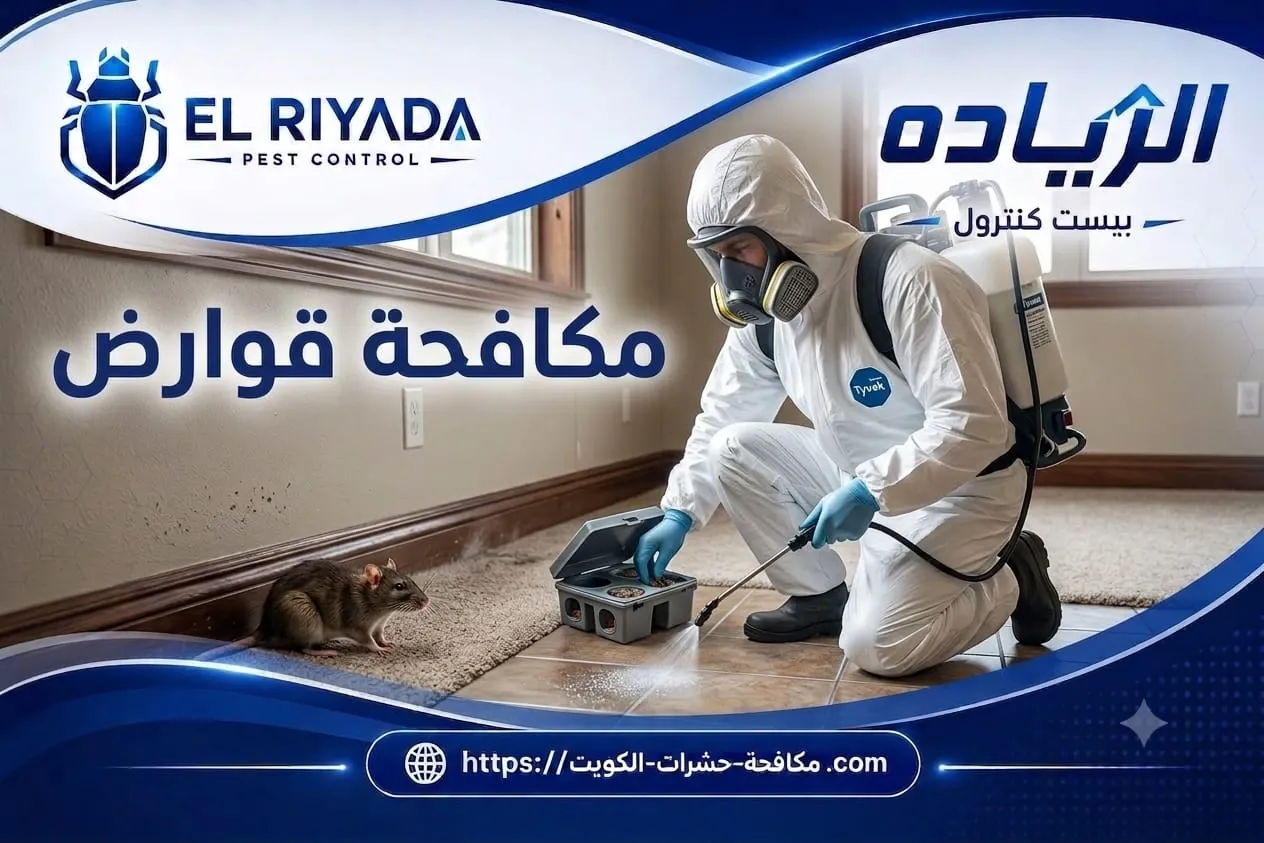
Inside apartments we prefer mechanical traps placed inside protective boxes along runways against the walls. They catch the rodent so it can be removed immediately, instead of a poisoned animal dying inside a plasterboard wall or behind cabinets, leaving an odour that is very hard to trace in a closed, air-conditioned flat.
7. Exclusion After Tracing the Route
Sealing entry points matters, but chewable foam alone is not a dependable barrier. Use suitable resistant materials while preserving ventilation, utility safety and maintenance access.
After locating the route, select exclusion materials that tolerate moisture and wear near plumbing. Never block required ventilation or alter fire-safety and electrical systems without authorisation. Before-and-after photos help verify the repair if new signs emerge. Sometimes the correct fix is a replacement service cover rather than patching the gap around it.
Common materials include steel wool or fine metal mesh packing finished with a suitable sealant, pipe collars around penetrations and rubber door sweeps under kitchen and shaft doors. Ordinary expanding foam on its own is chewed through by mice within days.
8. Rental Apartments and Responsibilities
Tenants should document sightings without dismantling building fixtures and notify owners or management when shared infrastructure is implicated. Written records clarify repairs and follow-up.
Responsibility for structural repairs depends on the lease and building rules, so written descriptions and clear photos help owners or managers respond. Tenants can address food storage and housekeeping without modifying shared structures. When a common shaft is involved, a coordinated inspection is usually more informative than unrelated visits to individual units.
9. Factors Affecting Cost
Pricing depends on inspection points, follow-up visits and whether shared shafts are involved. A quote should specify traps, exclusion work and reporting instead of providing only a generic amount.
Ask quotations to distinguish inspection, monitoring devices, exclusion work and follow-up. A cheaper quote may omit a shared entry route, while a higher one may include unnecessary tasks. Clarify whether opening a utility cover or repairing plumbing is outside the pest contractor’s scope so extra costs do not appear after work begins.
10. Mistakes That Delay Control
Randomly sealing a route before locating the animal, constantly moving traps and leaving food accessible undermine monitoring. Repellent odours alone do not correct structural access.
One quiet night does not prove that activity has ended. Removing every trace before documenting it can weaken diagnosis, while rubbish bags in corridors may sustain a food source. Record the date and location of each sighting, then use measurable follow-up indicators such as no new droppings and changes in secured station activity where applicable.
Another mistake is buying glue boards and placing them everywhere. They are inhumane, and a rodent may drag one somewhere hard to reach. Ultrasonic repellers are also commonly relied on, although their effect is usually limited and temporary.
11. Why Choose a Structured Inspection
When contacting Al Reyada Pest Control, ask for the inspection scope, entry-point map, monitoring plan and follow-up schedule. What distinguishes a good service is clear diagnosis and documented actions that reach the real source of the problem.
A structured service explains why each action was selected and when it will be reassessed. Ask Al Reyada for a record of inspected points, openings requiring a separate maintenance trade and resident instructions. Agree in advance on the boundary between the apartment and shared facilities so outcomes can be evaluated fairly. Our team works with residents, owners and building caretakers to coordinate a single visit covering the apartment and common areas when needed, instead of temporary fixes that let the problem return weeks later.
Conclusion
Rodent control in high-rise apartments in Kuwait starts with one question: where did the rodent get in? Once the route is known, whether it is a gap behind a kitchen cabinet, a void around a pipe or a shared shaft, treatment becomes faster and more precise: traps in the right places, entry points sealed with gnaw-resistant materials, follow-up with clear indicators and coordination with building management when the source is shared.
Al Reyada Pest Control serves apartments and towers across Kuwait. Contact us via the WhatsApp button on our website, send a photo of the droppings or activity area along with your floor and building type, and we will arrange an inspection at a convenient time.
Frequently Asked Questions
How do rodents get into an upper-floor apartment?
Usually through service shafts, the voids around drainage and supply pipes, shared corridors and refuse rooms, then into the flat through a small gap behind kitchen units or around washing-machine pipes.
Is treating my apartment enough if the whole building has rodents?
It may only give temporary results. If several units report activity, it is better to coordinate with building management to treat the basement, refuse room and shafts alongside the affected apartments.
Can rodent poison be used inside the apartment?
We do not recommend exposed toxic bait indoors, because the rodent may die inside a wall or behind cabinets. Mechanical traps inside protective boxes are the better option in living spaces.
What should gaps around pipes be sealed with?
Steel wool or fine metal mesh packing with a suitable sealant, or pipe collars. Ordinary foam alone is not enough because rodents chew through it.
Who is responsible for sealing gaps in a rented apartment?
That depends on the lease and building rules. Photograph the signs and send them to the owner or management, especially if the source is a shared shaft or corridor.
How long does it take to get rid of mice in an apartment?
Simple cases are usually resolved within one to two weeks after sealing and trapping, while cases linked to a shared building source need longer follow-up.