
The red wasp needs no introduction in Kuwait. Its loud buzz around a window and its reddish-brown body with a yellow band are enough to worry any family. The real problem is not a single passing wasp, but wasps flying in and out regularly from a crack in a window frame, an AC opening or a gap behind aluminium. That usually means a hidden nest.
This article explains how to confirm a nest, why removing it yourself is dangerous, how safe red wasp nest removal from windows in Kuwait is carried out and what to do afterwards so it does not return. It draws on Al Reyada’s work in homes and buildings in Hawalli, Rumaithiya, Salmiya, Jabriya and Salwa.
Know the red wasp
The red wasp common in Kuwait is the oriental hornet, a fairly large insect reaching 2.5 cm or more in queens, reddish-brown with a clear yellow band on the abdomen and a yellow patch on the face. Key traits:
-
Lives in colonies that can contain hundreds of individuals by the end of the season.
-
Nests in enclosed spaces: wall cavities, aluminium frames, AC housings and sometimes underground.
-
Is attracted to water, sugar and meat, so it is common around pools, planters and kitchens.
-
Tolerates intense heat and is active in the hot months, with colonies peaking in late summer and early autumn.
-
Defends its nest aggressively and can sting repeatedly, because its sting does not detach like a bee’s.
Red wasp, yellow paper wasp or honeybee?
Identifying the insect matters before any action, because the approach differs:
|
Insect |
Appearance |
Nest |
Note |
|---|---|---|---|
|
Red wasp (oriental hornet) |
Large, reddish-brown with a yellow band |
Inside cavities, walls and underground |
Aggressive when the nest is threatened |
|
Yellow paper wasp |
Slender, yellow and black, legs dangling in flight |
Open paper nest under eaves and canopies |
Usually a smaller colony |
|
Honeybee |
Smaller, hairy, golden brown |
Wax comb hive |
A beekeeper can often relocate the hive |
If the insects turn out to be honeybees, we guide you to the most suitable solution rather than destroying the hive, since bees are beneficial and can often be relocated.
Signs of a nest near a window
-
Wasps entering and leaving the same point repeatedly throughout the day.
-
Buzzing or rustling inside the wall or window frame.
-
Dark stains or unusual damp on the wall near the crack.
-
Wasps appearing inside the room even with windows closed, meaning the nest is in the cavity with an inner opening.
-
Wasps gathering around a window AC unit or the outdoor unit of a split AC.
Watch from a safe distance around midday, try to pinpoint the entry, then photograph it from afar and send it to the technician.
Why you should not remove it yourself
Many people try a shop aerosol or sealing the crack with silicone, and the results are often the opposite of what they want:
-
Shop sprays do not reach a nest inside a cavity, but they provoke the wasps to attack.
-
Sealing the entrance while wasps are active makes them chew or search for another exit, often into the room.
-
Climbing a ladder by a high window with angry wasps can cause a serious fall.
-
Multiple stings are dangerous, especially for anyone with an allergy, and can trigger a severe reaction that needs emergency care.
-
Using fire or petrol in the crack is extremely dangerous and can set the frame or wall alight.
How safe nest removal works
1. Inspection and locating the nest
The technician identifies entry and exit points, estimates where the nest sits in the cavity and checks for other openings inside the home. Access is also assessed: ground floor or high window, ladder or work from inside.
2. Choosing the timing
The best time to treat a nest is at or after sunset, when most wasps have returned and activity drops. Working then eliminates the largest number at once and reduces returning wasps later.
3. Protective equipment
The technician wears a full wasp suit, face veil and thick gloves. Family members are kept away from the room and nearby corridors, and internal doors are closed.
4. Treating inside the cavity
Instead of spraying the surface, we use injection tools that deliver a licensed product through the nest entrance directly into the cavity, as a dust or foam designed for this purpose. Wasps moving in and out carry the product inside, so treatment reaches the whole colony.
5. Waiting, then removal
We do not seal the opening immediately. We allow enough time for activity to stop completely, usually within a day to several days. Then, if it can be reached, the nest is removed; otherwise it is left inside the cavity once the colony is confirmed dead.
6. Sealing and follow-up
Once activity has stopped, the crack is sealed with a suitable sealant, and other windows and openings on the same façade are checked.
Common nesting spots in Kuwaiti homes

|
Location |
Why wasps choose it |
Note |
|---|---|---|
|
Aluminium frame cavities |
Enclosed space shaded from the sun |
Needs injection through the entry point |
|
Window AC housing |
Warm space near condensation |
Power must be switched off before work |
|
Gaps in stone and cladding façades |
Large voids behind the cladding |
May need inspection from several points |
|
External electrical boxes |
Closed and protected |
Careful work, with an electrician if needed |
|
Under yard tiles and planters |
Soil kept moist by irrigation |
Underground nest with a small entrance |
|
AC drain openings |
Constant moisture and water |
Openings must be sealed after treatment |
Safety first: allergy to wasp stings
A wasp sting is usually painful, but some people have allergies that can escalate quickly. Seek medical help immediately and call 112 if the person has difficulty breathing, swelling of the face or throat, dizziness, a widespread rash or has received many stings. If anyone in the household knows they are allergic to stings, tell us before the visit so they can be away from home during the work.
After removal: keeping red wasps away
-
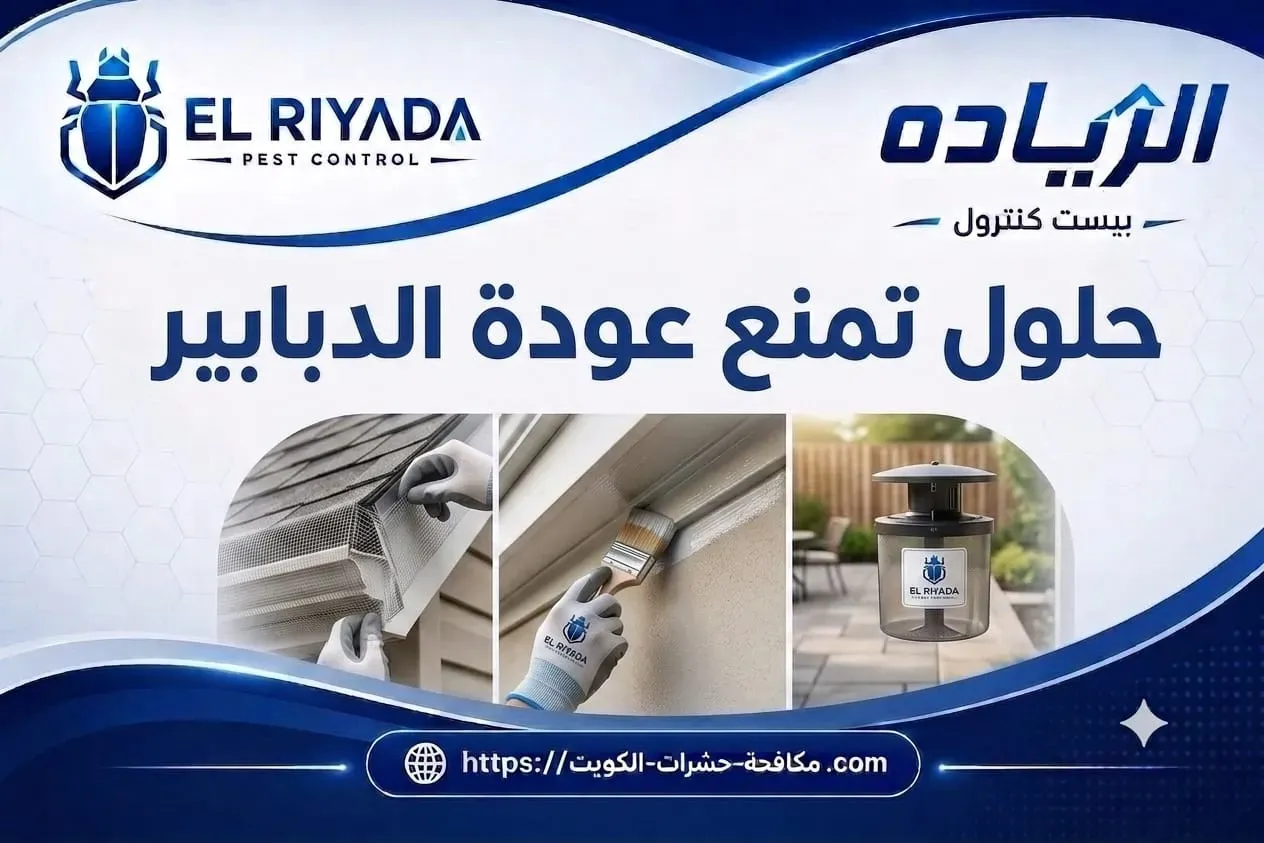
Seal cracks and openings in window frames and around AC units once treatment is complete.
-
Fit mesh over vents and drainage openings.
-
Fix water leaks from AC units and irrigation hoses, since wasps are drawn to water.
-
Cover bins and keep food scraps and fruit out of the yard.
-
Inspect façades at the start of the hot season; small early nests are far easier to deal with.
-
Do not leave open water containers for birds or plants near windows.
Common mistakes when red wasps appear
-
Swatting wasps near the nest: a threatened wasp releases signals that call the colony to defend.
-
Opening the affected window for ventilation during the day while wasps are active.
-
Running a window AC that contains a nest, spreading wasps into the room.
-
Blasting the opening with water in the hope of driving them away.
-
Letting children play near the affected façade or in the yard during active hours.
-
Waiting until the end of summer to call, by which time the nest has grown and wasp numbers have multiplied.
Apartments and buildings
In apartment buildings, a nest in one flat’s window may be part of a cavity running between floors or behind the façade. We coordinate with the caretaker or owner to inspect neighbouring flats and the façade and decide the best access point, from inside the flat or outside. On high floors we never work externally without safe access equipment.
Al Reyada’s wasp nest service

-
Inspection and location of the nest and entry points.
-
Work at the right time with full protective gear.
-
In-cavity treatment with licensed products.
-
Nest removal where access allows.
-
Recommendations for sealing openings and preventing return.
-
A follow-up visit if any activity continues.
Conclusion
Red wasp nest removal from windows and cracks in Kuwait is not a DIY job. The safe method is to locate the nest, work at sunset with protective gear, treat inside the cavity and seal openings only after activity stops. Al Reyada Pest Control is ready to help in Hawalli, Rumaithiya, Salmiya, Jabriya and across Kuwait.
Do not go near the nest: call or WhatsApp. Send a photo of where the wasps enter, taken from a safe distance, and we will arrange a prompt removal appointment.
Frequently Asked Questions
Can a red wasp nest be removed with an aerosol?
Shop aerosols do not reach a nest inside a cavity and can provoke the wasps. Professional treatment through the nest entrance is the safer option.
Should I seal the nest entrance with silicone?
Not while wasps are active, as they may exit through another opening inside the house. Seal only after the colony is confirmed dead.
When is a nest easiest to remove?
Early in the season when the nest is small, and at sunset when most wasps are inside.
Will red wasps come back to the same spot?
They may be attracted to the same cracks if left open, so we recommend sealing openings and fixing water leaks after treatment.
What should I do if a wasp stings me?
Wash the area and apply a cold compress. Seek medical help immediately on 112 if there is difficulty breathing, facial swelling or many stings.
Are red wasps active all year?
They are most active in the hot months, with colonies peaking in late summer and early autumn before activity gradually falls. The best time to inspect façades and seal cracks is before the heat begins, when new nests are still small and easy to treat.