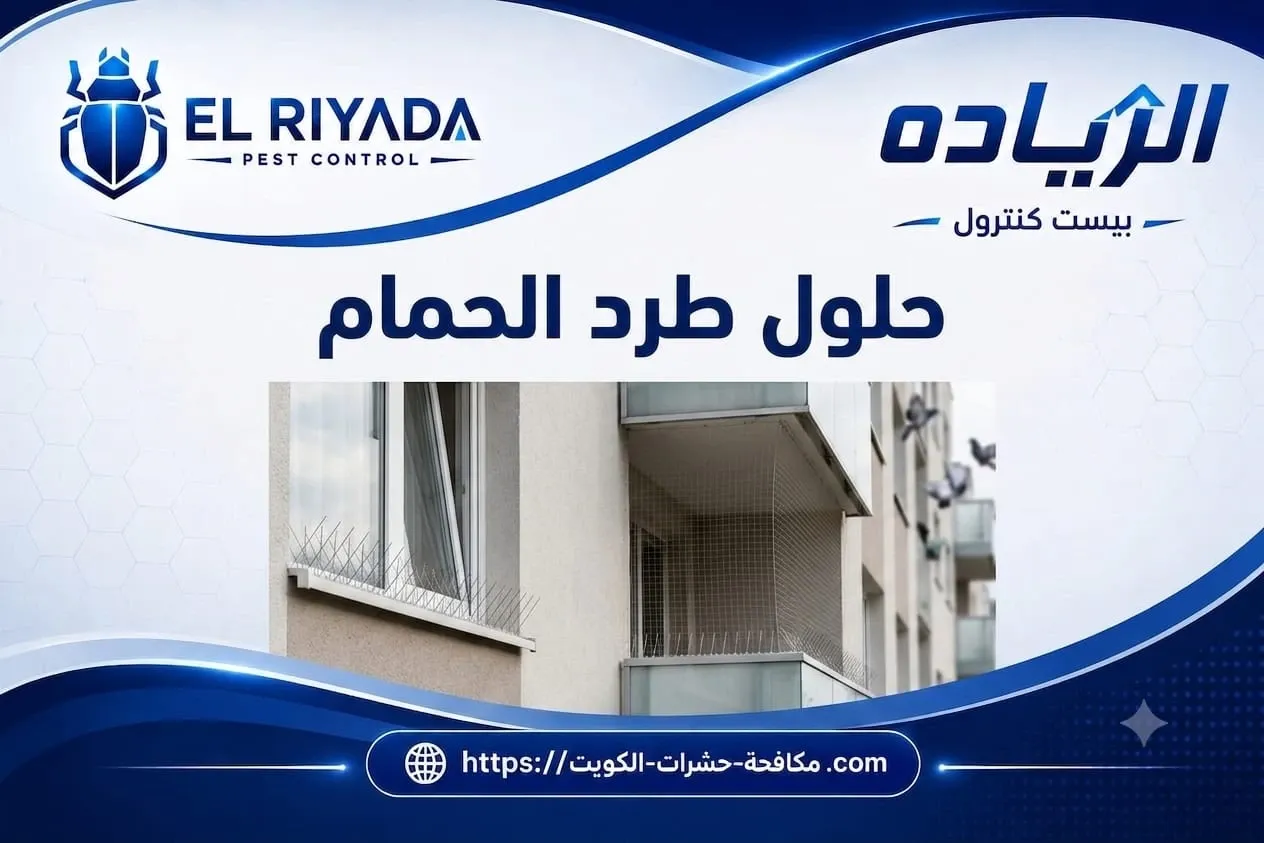
Owners of warehouses, factories, commercial complexes, schools and large buildings in Kuwait face a different kind of pigeon problem: a vast roof of thousands of square metres with central AC units, equipment, tanks and service rooms, and flocks of pigeons gathering on it, leaving droppings that block drains, damage equipment and contaminate air intakes. When looking for a solution, the laser bird deterrent appears attractive: one device covering a large area without netting every part.
But is a laser really the best solution for your roof? How does it compare with netting, spikes and tensioned wire in effectiveness, safety and total cost? This article compares these solutions practically, explains when a laser may suit and when it is unsuitable or even prohibited, and when physical solutions are the more economical and reliable choice. Al Reyada Pest Control provides netting, spikes, tensioned wire, nest removal and droppings clean-up for large roofs across Kuwait, and helps you choose the right solution after surveying the roof. This article is part of our complete guide to pigeon control in Kuwait.
How laser bird deterrents work and where they fall short
Laser systems use a moving beam of light that birds perceive as an approaching threat, so they leave the area. Response varies with ambient light, bird species, beam movement and how often birds are exposed. On bright sunny days the beam is often less visible to birds, while it is clearer at dawn, dusk and on overcast days.
A laser does not physically stop pigeons entering a nesting gap, nor does it remove food or water sources. If the roof stays attractive, birds may return when the system stops or conditions change, and some birds become used to the light over time.
Before considering any solution, the nature of the problem must be established: is it a temporary gathering of birds on an open roof, or nesting inside sheltered cavities such as under AC units or inside steel structures? Visual deterrents may affect some gathering patterns, but they do not close entry points or deal with food and water. A laser therefore cannot automatically replace netting where a physical barrier is needed. If the roof is near an airport, helipad or public road, the risks of directing a beam are a strong reason to rule this option out and move to physical deterrents.
Quick comparison of four solutions
|
Criterion |
Laser deterrent |
Netting |
Spikes |
Tensioned wire |
|---|---|---|---|---|
|
How it works |
Visual disturbance that changes behaviour |
Physical barrier preventing access |
Prevents perching on ledges |
Prevents perching on long ledges and walls |
|
Stops nesting in cavities |
No |
Yes |
No |
No |
|
Habituation |
Birds may get used to it |
Not affected |
Not affected |
Not affected |
|
Human safety |
Needs strict controls for eye risk |
Safe |
Safe when properly installed |
Safe |
|
Restrictions near airports and roads |
Significant and may be ruled out |
None |
None |
None |
|
Power and operation |
Yes, continuous |
No |
No |
No |
|
Maintenance |
Regular adjustment and alignment checks |
Annual check |
Annual check |
Annual tension check |
|
Best for |
Very open roofs with no obstructions, away from people and aviation |
Cavities, equipment zones, nesting roofs |
Ledges, walls and equipment |
Long ledges, parapets and roof edges |
Survey the roof before choosing a solution
During the survey the technician identifies where pigeons gather, sightlines and obstructions such as service rooms and tall equipment. These obstructions can stop a laser beam reaching parts of the roof whatever coverage the device claims, whereas netting and spikes are installed exactly where pigeons perch.
We also identify where workers are present, maintenance routes, reflective surfaces and nearby windows. Glass façades or neighbouring streets may make a laser unsuitable from a safety point of view.
On most large roofs we survey in Kuwait, pigeons do not use the whole roof equally but concentrate in specific areas: under central AC units, around water tanks, on internal parapet ledges, inside steel structures and near leaking water. Treating these areas with targeted physical solutions is usually more effective and cheaper than trying to protect the whole roof with one device.
Eye, aviation and reflection hazards with lasers
Eye safety is the first decision point when considering a laser. Laser beams can cause serious eye injury even when the light does not look intense. The beam must never be directed at people, roads, windows, vehicles, aircraft or airspace.
Applicable local requirements and laser safety standards must therefore be followed, and the relevant authorities in Kuwait and civil aviation requirements reviewed before any installation or trial. A device being on sale does not mean using it on an open roof is automatically permitted. A high-risk device should never be operated without professional assessment, defined exclusion zones and a trained operator.
Reflections from glass, metal and water also matter, because the beam path can change unpredictably in a built environment. A seller’s general instructions are not proof of safety; the device classification, operator, access controls and beam path must be defined before permanent installation is even considered.
These risks do not exist with netting, spikes and wire, which is one of the main reasons they are preferred for most residential and commercial buildings in cities.
When a roof is unsuitable for lasers
-
Roofs near flight paths, such as areas around Kuwait International Airport, where lasers are usually ruled out.
-
Roofs overlooking busy roads or occupied flats and homes.
-
Roofs where maintenance teams work at night or equipment positions change frequently, making beam control hard to guarantee.
-
Roofs full of obstructions such as large AC units and service rooms that block the beam.
-
Sites where nesting happens inside cavities, which the beam cannot reach.
These restrictions should never be bypassed by randomly changing the device angle. Preventing human exposure must be part of the design, not just a warning label.
Netting: the strongest solution for equipment and nesting areas

Netting provides a permanent physical barrier around a defined area and does not depend on bird behaviour or habituation. On large roofs we use it to:
-
Enclose central AC unit areas from below and the sides so pigeons cannot nest underneath or between components.
-
Close steel structures and cavities pigeons use for nesting.
-
Cover internal courtyards and shafts in large buildings.
-
Protect fresh-air intakes from feathers and droppings.
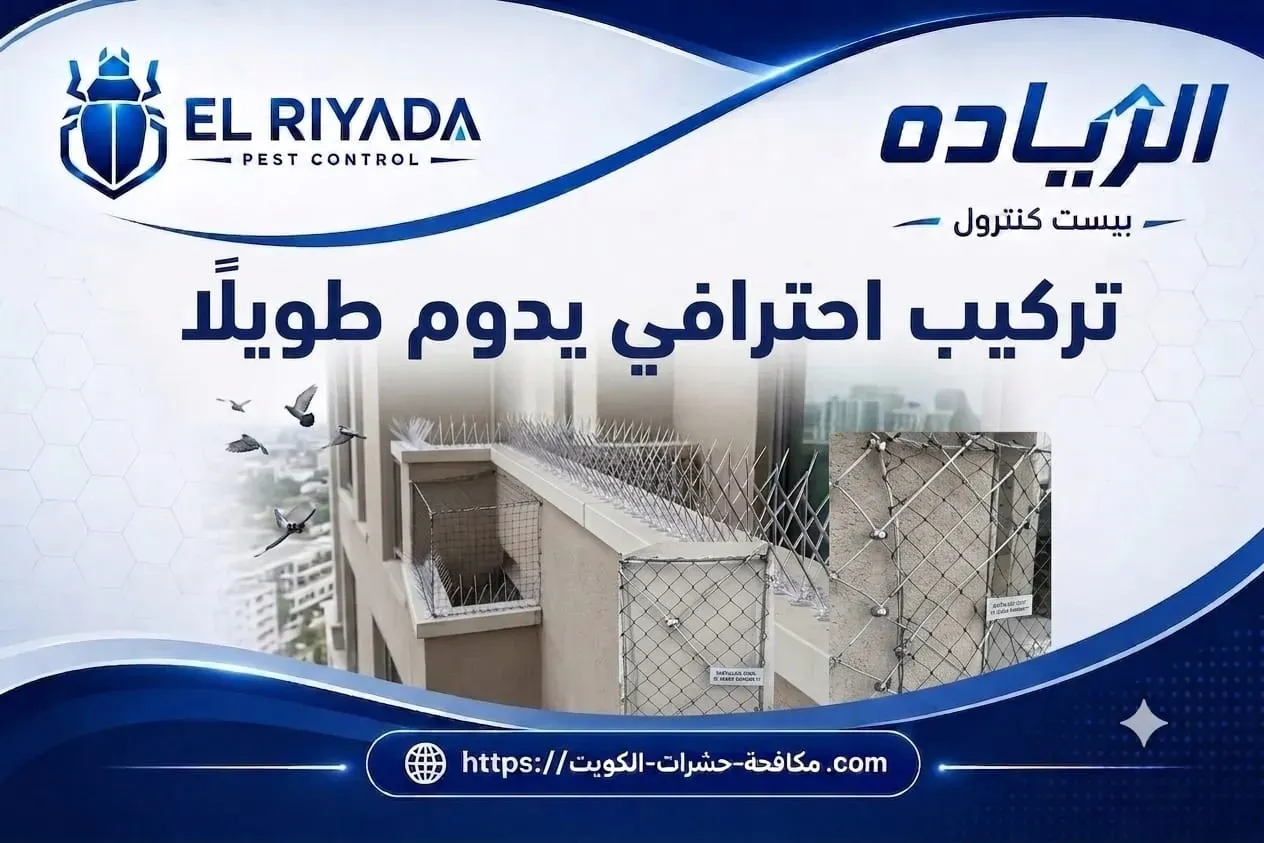
Netting is installed on a tensioned stainless steel cable frame with fixings suited to the surface, and includes maintenance openings so AC technicians can reach equipment. Where the aim is to protect an entry point or specific equipment zone, closing it with netting is more reliable and less complex than any electronic system.
Spikes and tensioned wire: for roof edges and equipment
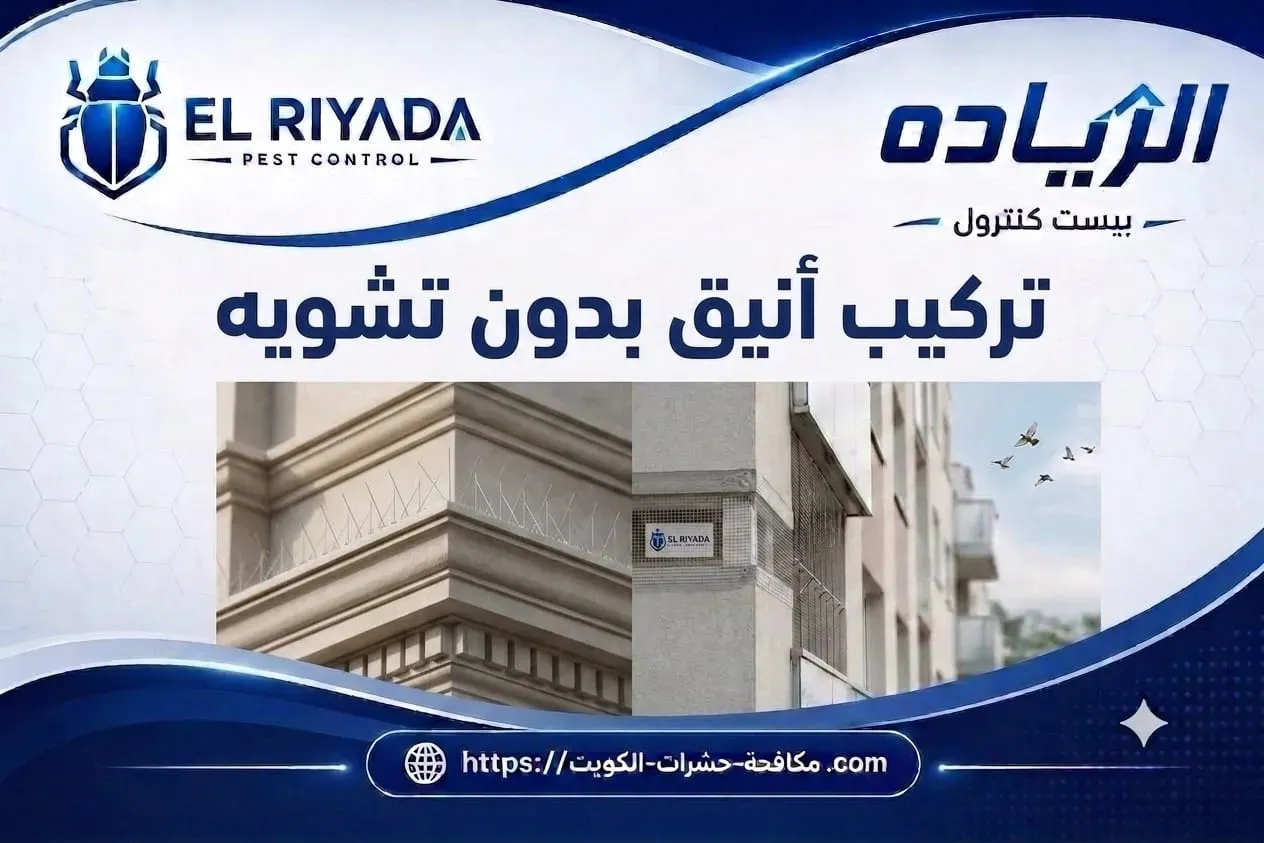
Spikes prevent perching on internal parapet ledges, the tops of AC units, tank edges, railings and any narrow surface pigeons stand on. Tensioned wire suits very long ledges, parapets and roof edges: thin wires stretched slightly above the ledge stop pigeons landing, with low visibility, making them ideal for large areas.
These solutions are combined with better hygiene and removing attractants, such as fixing water leaks from AC units and tanks and clearing food waste. The real comparison is not one device against another, but a complete programme suited to the site and its long-term cost.
Testing effectiveness before investing in a large solution
Before trying any solution, we set a baseline of bird numbers, locations and activity times. We then compare observations under similar conditions after installation, allowing for seasonal and weather changes.
A photo of an empty roof at one moment is not proof of success. Evaluation needs repeated monitoring and checking whether birds have simply moved to another part of the building.
For lasers in particular, the trial should be long enough to observe habituation, recording bird numbers and gathering times before and after operation along with light and weather conditions. If birds move to a neighbouring roof or return after getting used to the device, a temporary drop is not lasting success. Netting and spikes show clear results immediately after installation, because they physically prevent access or perching.
Total cost: laser versus physical solutions
When comparing, do not look at purchase price alone:
|
Cost item |
Laser deterrent |
Netting, spikes and wire |
|---|---|---|
|
Purchase and installation |
Device, mounts, sensors and electrical work |
Materials and installation by area and ledge length |
|
Safety study and permits |
Often required and may be costly |
Not usually required |
|
Operation |
Continuous electricity |
None |
|
Maintenance |
Regular adjustment, alignment checks after storms and maintenance |
Annual check and minor repairs |
|
Training and responsibility |
Trained operator |
None |
|
Risk of ineffectiveness |
Habituation and birds returning |
Low if installed correctly |
No system can be given a standard price or guaranteed return without site data. After surveying, we provide a detailed quotation for the physical solutions suited to your roof, so you can compare it with any other offer on total cost.
Safe control requirements for laser systems
If the relevant authorities permit a laser system at a specific site, the design must include measures to prevent unintended exposure and to shut down in hazardous conditions, based on specialist assessment.
The device needs alignment checks after maintenance and storms, and confirmation that roof changes have not altered beam paths. Responsibilities between the operator and building management must be documented. These ongoing requirements are part of the system’s real cost and must be included in any comparison.
Marketing claims to treat with caution
It is an exaggeration to claim that lasers are completely safe, remove pigeons permanently or work equally well day and night. Risks and results vary by product and site, and independent technical documentation should be requested.
The term “electronic repeller” is also used for completely different products, such as sound, light and laser devices. Identify the actual technology and safety classification rather than buying based on a general name. Sound devices in particular are often quickly ignored by birds and may disturb nearby residents.
How to evaluate any offer to protect a large roof from pigeons
-
Did the offer start with a roof survey identifying real gathering and nesting areas?
-
Does it specify the solution for each area: netting, spikes or wire?
-
Does it include droppings clean-up and nest removal before installation?
-
Does it allow for maintenance openings and AC technician access?
-
If it is a laser offer: does it include a risk assessment, required approvals and an operating plan?
-
Is the total cost clear, including maintenance?
At Al Reyada Pest Control we always start with a survey and a map of pigeon areas on the roof, then propose the right physical solution for each area and explain the cost in detail.
Practical example: a large warehouse roof in an industrial area
A warehouse with a large roof in an industrial area has central AC units and water tanks, with pigeons nesting under the units and perching on the roof edges:
-
Survey: a roof map shows pigeons concentrated in three areas: under the AC units, around the tanks where water leaks, and along the northern edge. The rest of the roof is almost empty.
-
Decision: a laser is ruled out because of the many obstructions and because the problem is nesting in cavities the beam cannot reach.
-
Installation: nests and droppings are safely removed, then netting is installed around the AC unit bases with maintenance openings, spikes on tank edges and unit tops, and tensioned wire along the northern edge, with a recommendation to fix the tank leaks.
-
Result: nesting stops and perching drops sharply, with no running costs or permits.
A responsible decision for large roofs
A laser should be used only when it is shown to be legally and technically suitable, with controls that reduce unintended exposure to acceptable levels according to specialists, and on an open roof without obstructions, away from people and aviation. Otherwise, which describes most buildings in Kuwait, physical solutions such as netting, spikes and wire, combined with environmental changes and removing attractants, are the first and most reliable choice.
The final measure is not how modern a device is, but reduced pigeon activity without putting people or aviation at risk, at a clear long-term cost.
Conclusion
A laser pigeon deterrent may look like a quick fix for large roofs, but it does not prevent nesting in cavities, birds may get used to it, it needs safety controls, permits and ongoing running costs, and it may be unsuitable near airports, roads and occupied buildings. Netting, spikes and tensioned wire physically prevent access and perching, need no power or permits and give clear results from day one when installed in the right places after a careful survey.
Al Reyada Pest Control provides physical pigeon solutions for large roofs on warehouses, factories, complexes and schools across Kuwait. Contact us via the WhatsApp button on our website, send photos of the roof, where pigeons gather and its approximate size, and we will arrange a survey and a suitable protection plan.
Frequently Asked Questions
Is a laser pigeon deterrent safe on any roof?
No. Lasers can be hazardous to the eyes and must never be directed at people, roads, windows or aircraft. They need professional assessment and a review of local requirements before any use.
Does a laser guarantee pigeons will leave permanently?
No. Response varies with light and bird species, birds may become used to the light over time, and it does not prevent nesting in cavities.
Can a laser replace netting?
Not in most cases. Netting is a physical barrier that prevents access and nesting, while a laser is only a disturbance that changes behaviour.
What is the best solution for a large warehouse or factory roof?
Usually a combination of netting for equipment and nesting areas, spikes for equipment and tank edges, and tensioned wire for long edges, along with fixing water leaks and cleaning droppings.
Are sound-based pigeon repellers effective?
Their effect is usually temporary because birds get used to the sound, and they may disturb nearby residents or workers.
Does Al Reyada clean droppings before installing solutions?
Yes. Safely cleaning droppings and removing nests is an essential step before installing netting, spikes or wire.