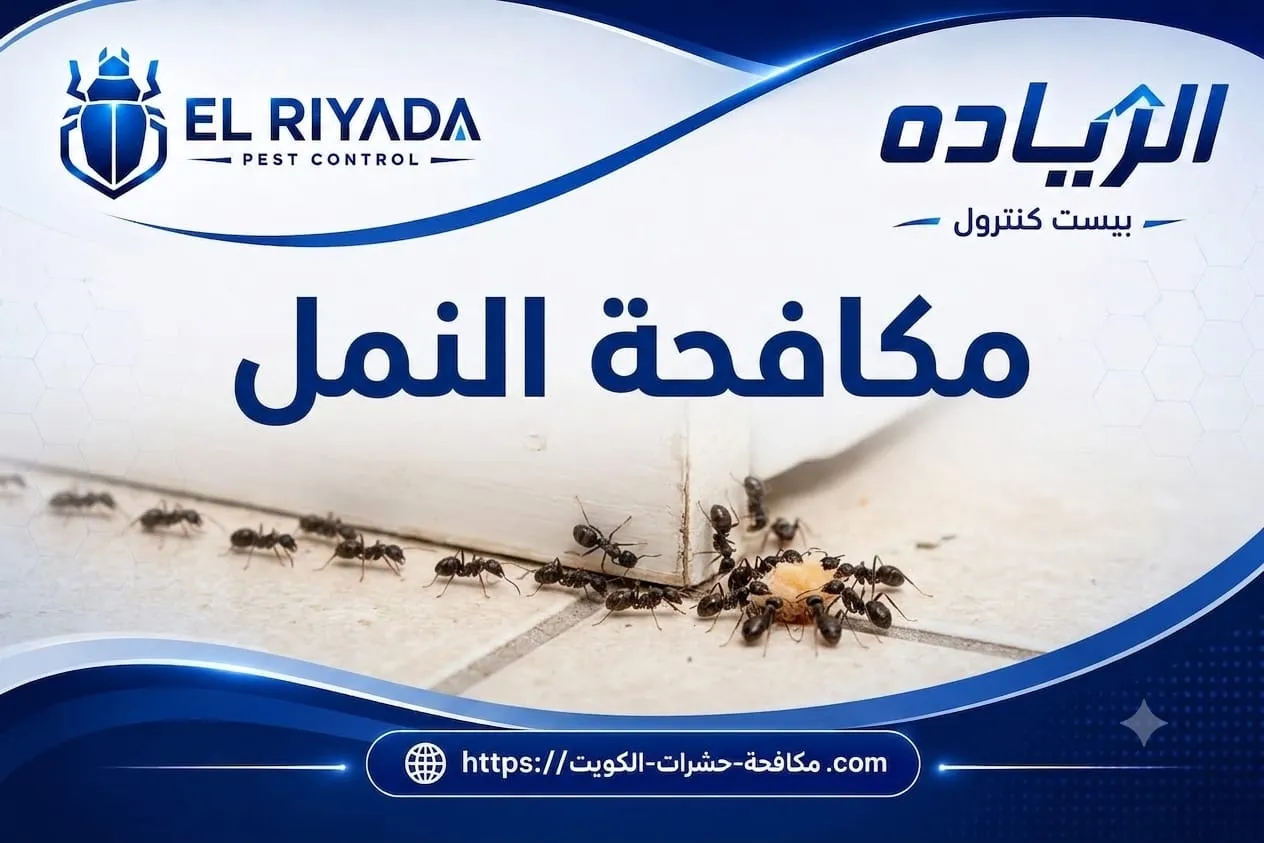
Tiny sugar ants appearing around sugar or across the kitchen countertop may seem like a minor problem at first, but when the same trail returns after cleaning, focusing only on the visible ants will not be enough. This type of activity requires understanding where the ants are entering, what is attracting them, and where they disappear after reaching food. Sometimes the route runs between a cabinet and the wall, while in other cases ants appear near the sink or travel through a tiny opening around a utility line inside the kitchen. Accurate control therefore depends on tracking ant movement rather than spraying every location where they appear. The goal is to identify the source of activity, reduce available food and moisture, and select an appropriate treatment without contaminating food or food-preparation surfaces.
Sugar Ant Control in Kuwait
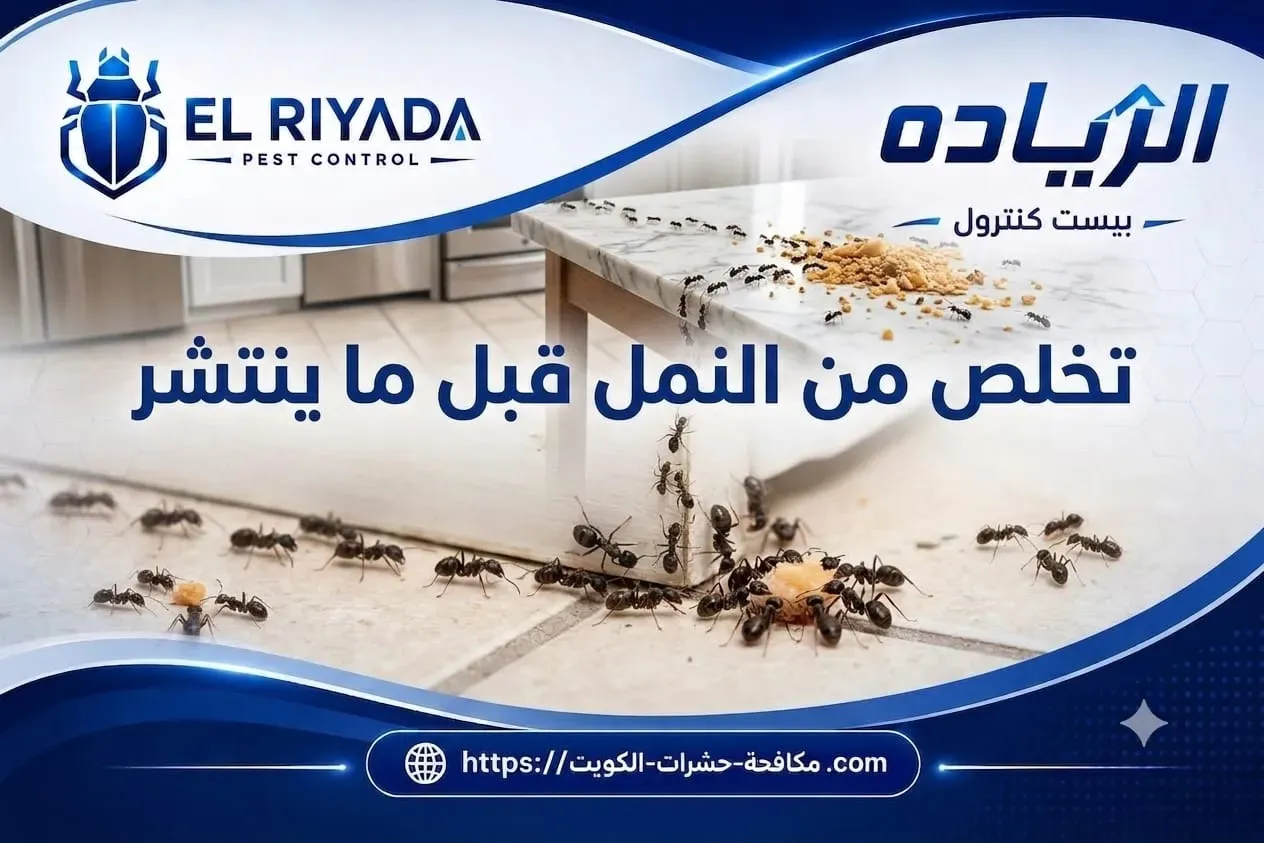
Effective sugar ant control in Kuwait begins with understanding that the ants visible on the countertop usually represent only part of a larger pattern of activity rather than the entire problem. Worker ants leave the colony to search for food and then travel along routes that may lead back to an entry point, a concealed activity area, or toward the nest. For this reason, wiping away an ant trail or killing the insects that are visible at that moment may temporarily remove what you can see, but it does not explain why the same activity returns the following day.
Inside the kitchen, it is better to begin by observing where the activity is concentrated. Does the ant trail start near a container of sugar and then disappear behind a cabinet? Are the ants coming from the edge of a wall? Do they appear around the sink and then continue toward a food-storage area? The answer changes the inspection approach. The presence of ants around something sweet also does not necessarily mean that sugar is the underlying cause of the problem. It may simply be a food source the ants discovered while foraging.
Accurate treatment also requires consideration of ant behavior. Randomly spraying a visible trail may kill some of the ants present at that moment, but it may not reach the colony and, in some situations, may alter their movement route. The control method should therefore be selected according to the activity pattern, the location, and the instructions of the product being used, while protecting food, utensils, and preparation surfaces.
• Observing the ant trail before completely cleaning it away helps identify the direction the insects are coming from and where they return instead of removing an important clue that could assist the inspection
• Keeping sugar, sweets, and other attractive foods in tightly sealed containers reduces available food sources but does not replace the need to investigate the entry point when ants continue appearing after cleaning
• Spraying or killing each individual ant is not a reliable measure of successful control because the more important objective is to understand the activity route and choose a method capable of addressing the problem more broadly
• Protecting food and preparation surfaces during any kitchen treatment is essential, and pest-control products should only be used in locations and in the manner permitted by their instructions
Tiny Sugar Ants in the Kitchen
Finding tiny sugar ants in the kitchen requires looking at the pattern of their appearance rather than focusing only on their size. In some cases, a resident may notice nothing throughout the day and then suddenly find dozens of tiny ants around a small amount of sweet food that was left exposed for a short period. In other situations, the same established trail appears every day even after the area has been cleaned. The second pattern provides a stronger indication of a regular movement route that deserves to be tracked rather than treating every appearance as an isolated event.
One important detail is where the ants disappear. If the trail reaches the edge of the countertop and then vanishes into a narrow gap between the cabinet and the wall, that location is more valuable diagnostically than the place where the sugar itself was found. If the ants are moving upward from beneath a cabinet, the inspection may need to follow their route toward the floor or toward gaps around nearby utility lines. This does not necessarily mean that the nest is located at the first opening the ants enter because the route may continue behind finishes or inside concealed spaces to another location.
It is also useful to distinguish between removing attractants and addressing the source of activity. Cleaning food crumbs, wiping away sugary spills, and sealing food containers are essential because they reduce what encourages ants to forage inside the kitchen. However, these measures alone may not eliminate a colony located inside a concealed space that normal cleaning cannot reach.
• Photographing the ant trail or observing its direction before wiping it away provides practical information that can still be used if the activity disappears before the technician arrives and the trail is no longer visible during the inspection
• Focusing on where ants enter after obtaining food can be more useful than concentrating on where the sugar was found because the disappearance point can bring the inspection closer to the ants' return route
• Cleaning traces of sweets, juices, and food crumbs reduces attraction inside the kitchen, but it should work together with tracking the source of activity rather than being treated as a guaranteed substitute for pest control when the problem continues
• Changes in the time and intensity of ant activity from one day to another are worth recording because a recurring pattern provides a more accurate picture than judging the infestation from the number of insects seen during a single observation
Tiny Ants Around Sugar
Seeing tiny ants around sugar can make the sugar container appear to be the source of the problem, but in reality the sugar is usually a feeding point the ants discovered rather than the place where the activity began. This distinction matters because removing the container or cleaning the shelf may stop the gathering at that particular point while the ants continue searching for another food source if their entry route and colony remain unaffected.
A practical inspection begins by looking at how the ants reached the sugar. If the container is sitting on an open countertop, the trail can be followed toward the edge or wall. If it is stored inside a cabinet, the corners, hinges, rear gaps, and nearby openings should be examined, with stored items removed in an organized manner when necessary. Sometimes the trail is so narrow and subtle that identifying it requires several minutes of observation instead of immediately killing the ants as soon as they are noticed.
The next step is reducing attractive food sources. Sugar residue, sweet drinks, sticky spills, and traces of sweets should be cleaned, containers should be properly sealed, and sticky residue beneath stored packages should not be ignored. However, excessive cleaning while trying to track the ants can erase the movement pattern that the inspection needs to identify. It can therefore be useful to record the direction of the trail first and then clean food-contact surfaces.
Pesticide should also never be sprayed directly onto sugar or applied improperly inside food-storage areas. Kitchen pest control requires careful selection of treatment locations and strict compliance with the instructions of the product being used.
• Following the ants away from the sugar container and back along their route can turn a simple observation on a shelf into useful information for locating the entry opening or pathway used by the insects
• Cleaning spilled sugar and sticky residue beneath containers removes an easily accessible food source that could continue attracting ants even after the visible trail has been removed
• Moving sugar into a tightly sealed container is a useful preventive measure but does not mean the problem has ended if ants subsequently begin appearing around other foods or in another part of the kitchen
• Avoiding pesticide application to food products and storage shelves in ways not permitted by the product instructions maintains the necessary separation between ant control and the safety of food used by household members every day
Tiny Ants Around the Kitchen Sink
Finding tiny ants around the kitchen sink is different from seeing them gathered around sugar because the attraction in this area may be connected to water, food residue, or moisture rather than sweet substances alone. The sink brings several conditions together within a relatively small space, including splashed water, food particles, and a lower cabinet containing water supply and drainage lines. For this reason, the inspection should include both the area above and below the sink instead of simply wiping away the ants moving along the visible edge.
If the trail disappears beneath the countertop or enters the sink cabinet, it is useful to follow the direction the ants are taking. There may be an opening around a pipe or a gap between the cabinet and the wall that the insects are using as a movement route. If a water leak is discovered, it should be treated as a separate problem requiring appropriate repair because ant control does not repair plumbing defects or prevent continued moisture when the source of the leak remains.
One common mistake is randomly spraying the area surrounding the sink as soon as ants are noticed. This part of the kitchen is closely associated with washing dishes and preparing food, so surfaces and utensils must be protected and any pest-control product must be used according to its instructions. Drying standing water and removing food residue can make the area less attractive, but if the trail continues afterward, its route still needs to be investigated.
• Drying the sink surface and surrounding area after use reduces water available to ants while also making it easier to determine whether activity continues even after the obvious source of moisture has disappeared
• Opening the sink cabinet and inspecting the spaces around plumbing lines may reveal a movement route that cannot be seen by looking at the countertop alone, especially when ants repeatedly disappear beneath the sink
• Discovering a water leak means that it should be repaired separately because persistent moisture can continue creating conditions that attract ants even after the insects present during the service have been treated
• Using any treatment around the sink carefully protects dishes and food-contact surfaces and prevents pest-control products from being applied in locations not permitted by their instructions
Source of Tiny Ants in the Kitchen
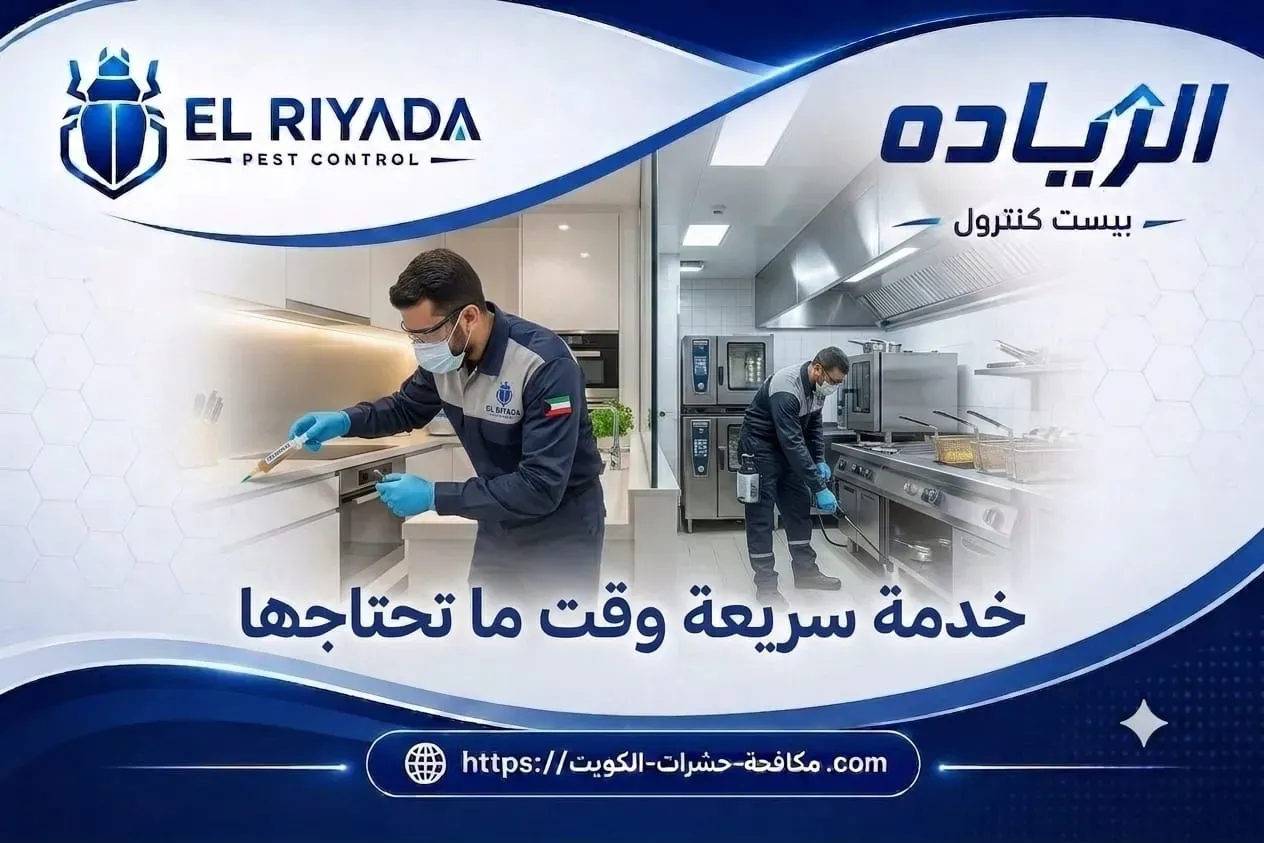
Identifying the source of tiny ants in the kitchen does not necessarily mean locating the actual nest during the first inspection. Sometimes the most that can be accurately identified is the point where the ants enter the visible part of the kitchen, such as a crack behind a cabinet, a gap around a utility line, or a narrow opening along the wall. Beyond that point, the route may continue through a concealed structural space that cannot be seen directly. It is therefore important to distinguish between where ants are seen, where they enter, and where the actual colony may be located.
The strongest clues usually come from repeated movement. If ants emerge every day from the same opening, travel toward the same food source, and then return along the same route, this pattern provides stronger evidence than finding several scattered ants in unrelated parts of the kitchen. Activity can also be compared after exposed food is removed to determine whether the route remains active or shifts toward another location.
It is not always advisable to immediately seal the first opening that is discovered while ants are still actively using it because doing so may hide the visible route without addressing the colony. Sealing can become part of prevention when appropriate, but it is different from treating active ant activity and should be carried out without interfering with ventilation, utilities, or the normal function of the area.
• Distinguishing between where ants are observed, their entry point, and the possible location of the nest prevents the control plan from being based on the assumption that all three must exist in exactly the same place
• Repeated emergence from one particular opening gives that point greater inspection priority than the many other cracks that may exist in a kitchen without showing any evidence of ant movement
• Observing how the trail changes after a food source is removed helps determine whether the ants were associated only with that particular attraction or continue searching through other parts of the kitchen
• Delaying the sealing of openings until the activity route has been assessed prevents exclusion from becoming a cosmetic solution that merely hides the visible entry point while the underlying problem remains behind it
Tracking the Sugar Ant Trail
Tracking the sugar ant trail is one of the most useful steps when a clearly defined line of ants appears inside the kitchen. Instead of immediately killing the ants, their movement can be observed briefly to answer two important questions: where are they reaching the food, and where do they return afterward? The second direction is particularly valuable because it may lead to a narrow opening, the edge of a cabinet, or a concealed area behind an appliance that was not initially suspected.
The trail is not always a straight line. Ants may travel along the edge of a countertop, move upward beside a cabinet, and then disappear behind a small finishing piece. In another kitchen, they may move down toward the floor before entering beneath a fixed unit. Photographing the route while it is visible can therefore be useful if the activity disappears before an inspection or changes after the area is cleaned.
Tracking should not turn into an attempt to follow and chase every individual ant. The objective is to collect information that helps determine where treatment should be directed, not to leave food exposed in order to attract more insects. Once the direction has been recorded, the food source can be cleaned and stored properly before the activity is addressed according to the control plan.
Randomly applying repellent products directly across a clearly established trail may also change the ants' movement without explaining what has happened to the colony. The treatment method should therefore match the nature of the ant activity, the location, and the instructions of the product being used.
• Following ants in the direction they travel after reaching food may reveal a small opening with greater diagnostic value than the larger area where the insects originally gathered around something sweet
• Photographing the trail while it is visible creates a useful record of the route that can assist the inspection if activity temporarily stops after cleaning or if the service visit takes place at a different time from when ants normally appear
• Avoiding random disruption of the trail before understanding its direction preserves an important clue that can help identify activity areas instead of forcing ants onto alternative routes that are more difficult to connect to the original source
• Finishing the observation by cleaning exposed food and storing it securely prevents the tracking process itself from becoming a reason for continuing to provide ants with an easily accessible food source inside the kitchen
Tiny Ant Nest in the Kitchen
Searching for a tiny ant nest in the kitchen does not mean dismantling cabinets or opening walls simply because an ant trail has appeared. The colony may be located inside a concealed space that cannot be reached visually, and it may even be outside the kitchen while the ants use a small opening to enter the food area. A more accurate approach is therefore to use ant movement to estimate where the activity is coming from rather than assuming that the nest is located directly behind the first opening where the insects disappear.
Regular movement in both directions through one specific point provides stronger evidence than a few scattered ants appearing in unrelated locations. If the insects repeatedly disappear behind a cabinet, for example, the surrounding edges, joints, and nearby openings can be inspected without carrying out unnecessary destructive work. The goal is to narrow down the area associated with the activity sufficiently to select an appropriate control method.
This is also where the distinction between products intended to kill visible ants and control methods that use ant behavior to transfer a treatment according to the product instructions becomes important. Not every situation requires the same method, and the product selected and its application location should take account of food, children, and pets where relevant. Pesticides should never be mixed together or combined into unsafe homemade preparations in an attempt to reach the nest.
• Repeated ant movement into the same point makes that location worth investigating, but it does not prove by itself that the colony is immediately behind the opening because the route may continue into another concealed space
• Avoiding unnecessary dismantling of cabinets or opening of walls prevents damage based on assumptions when the ants' own movement can first be used to narrow the inspection area
• Selecting a control method according to ant behavior and the location of activity is more precise than trying to physically reach the nest, particularly when the colony is inside a concealed area that cannot be easily accessed
• Avoiding pesticide mixtures and unsafe homemade preparations inside the kitchen protects household members and keeps ant control based on products used according to their labels and specific instructions
Tiny Ants Inside Kitchen Cabinets
Finding tiny ants inside kitchen cabinets requires identifying what is attracting the insects to that particular cabinet. There may be an improperly sealed sugar container, traces of something sweet, or food crumbs on one of the shelves, while in other cases the cabinet itself may simply be part of a route the ants use through a concealed rear gap. Emptying every cabinet and spraying all of them in the same way therefore does not represent an accurate diagnosis of the problem.
Inspection should begin with the cabinet where activity has actually been observed. Packages, corners, hinges, and the rear section can then be checked carefully. If ants move across one shelf and consistently disappear at one edge, following that point is more useful than simply wiping away the insects. Spilled food should also be cleaned, damaged packages removed when appropriate, and dry or sweet foods stored in a way that reduces access by ants.
Because kitchen cabinets are used to store food and utensils, treatment locations require additional care. Shelves, packages, and kitchenware should not be sprayed with products that are not intended for those uses. If a specific cabinet needs to be emptied before treatment, it is better to do so according to clear preparation instructions rather than moving every kitchen item randomly into other areas.
• Identifying the cabinet where activity begins provides a more focused inspection than emptying every storage unit and treating all cabinets as though they have the same level of ant activity without evidence to support that assumption
• Checking sugar, sweets, and opened packages inside the cabinet helps remove food attractants while the investigation continues to identify the route ants used to reach those materials
• Inspecting rear edges, hinges, and points where the cabinet meets the wall may reveal a movement route that is not obvious on the shelf itself even when ants are repeatedly seen moving across it
• Protecting utensils and food during treatment prevents a limited ant problem from creating unnecessary exposure to pest-control products that are not approved for use on food-storage surfaces
Getting Rid of Sugar Ants in the House

Successfully getting rid of sugar ants in the house depends on combining the removal of attractants, treatment of existing activity, and prevention of the conditions that allowed ants to reach food in the first place. Relying on only one of these steps explains many situations where the trail disappears for a day or two and then returns from the same point or appears nearby.
The process begins by storing sugar, sweets, and other attractive foods in tightly sealed containers, cleaning spills and crumbs, and drying accumulated water. The next step is tracking active trails to identify the areas being used and selecting an appropriate control method. If there are openings that can be safely sealed after the activity has been assessed, exclusion may become part of prevention, provided that it does not interfere with utilities or functional openings needed in the home.
It is also important to look beyond the first location where ants appear. If activity begins in the kitchen and later appears in another room, repeatedly spraying each location separately may not be the best way to understand the problem. There may be more than one route or more than one source of activity, which makes comparing the different sighting locations useful.
• Combining food-source removal, movement tracking, and appropriate treatment creates a broader control plan than simply killing the ants visible on the countertop when the problem is discovered
• Storing sweet foods in tightly sealed containers reduces easy access to food and helps reveal whether ant activity shifts toward another source that also needs to be investigated
• Sealing appropriate cracks after the activity has been assessed can support prevention, but it should not automatically replace treatment of an active colony whose movement route has not yet been properly evaluated
• Comparing kitchen activity with sightings in other parts of the house prevents every ant trail from being treated as an unrelated problem when there are signs that the insects may be moving through a wider area
Sugar Ant Control Company
Choosing a sugar ant control company should not be based on the idea of spraying the largest possible area inside the kitchen because the nature of this problem makes tracking ant movement more important than the amount of pesticide used. A company that begins by asking where the ants appear, when they appear, and which direction the trail follows, then inspects disappearance points and sources of food and moisture, can develop a treatment that is more closely connected to the actual problem than a service that simply sprays floors and corners.
It is also important to understand which method will be used in sensitive areas. Kitchens contain food, utensils, and preparation surfaces, so the company should explain what needs to be removed before treatment, what should be cleaned afterward, and which locations will actually be treated. The product and application method should also comply with its instructions rather than relying on unknown mixtures or increasing the amount applied as though greater quantity automatically means a stronger service.
The difference in service quality also becomes clear during follow-up. If ants disappear from the sugar area but later appear around the sink, for example, the first treatment should not immediately be classified as either a complete success or a failure. The previous route should be compared with the new one to determine whether only the food source has changed or whether the underlying activity is still present. This makes follow-up part of the diagnostic process rather than simply another round of spraying.
• Choosing a company that studies the ant trail before applying treatment helps direct the service toward actual activity points instead of using pesticide across areas where there are no clear signs of ant movement
• Requesting preparation instructions before the service helps protect sugar, food, and utensils while preventing kitchen contents from being moved randomly in ways that could make post-treatment monitoring more difficult
• Asking about the follow-up process is important because a small number of ants returning at a different point may require assessment of the new route rather than automatically repeating the same treatment throughout the entire kitchen
• A company that clearly distinguishes between ant control, plumbing leak repair, and structural repairs demonstrates a more responsible approach because pesticide cannot correct every condition that may contribute to continued ant activity
Why Choose Al Reyada Pest Control in Kuwait
When considering why Al Reyada Pest Control can be a strong choice for pest control in Kuwait for a sugar ant problem, the most important measure is not how many ants disappear immediately after treatment but how accurately the service identifies the activity route and understands why the problem keeps returning. Al Reyada Pest Control can be a strong option when the service begins by identifying where the ants appear, following their direction of movement, and inspecting cabinets, the sink area, and nearby openings instead of treating the entire kitchen as one area that simply needs to be sprayed.
This approach is particularly important with tiny ants because the place where they gather around sugar may be far from the point where they enter the kitchen. If attention is focused only on the sugar, activity may shift toward another food source while the original movement route remains active. Connecting sightings with disappearance points and sources of food and moisture provides a more accurate basis for selecting the treatment.
Trust also depends on clear instructions. The customer should know which food and utensils need to be moved, how treated areas should be handled, and which signs should be monitored after the service. No treatment should be presented as an absolute guarantee that another ant will never appear because entry conditions, food availability, and moisture can change over time.
• Tracking the sugar ant trail before selecting treatment locations helps Al Reyada Pest Control approach the activity more broadly than simply killing the insects gathered around food at the time of the visit
• Inspecting cabinets, the sink area, and disappearance points helps identify priority locations without turning the entire kitchen into a treated space when the level of activity differs from one area to another
• Considering food, utensils, and preparation surfaces when using pest-control products makes safety an essential part of the service and prevents pesticide application in locations not permitted by the product instructions
• Assessing activity after treatment according to the number, route, and location of sightings provides a more realistic way to evaluate the result than expecting every sign of ant movement to disappear immediately without follow-up
Conclusion
Tiny sugar ants in the kitchen should not be approached by chasing every insect that appears on the countertop. The more useful objective is to understand the route the ants are using between food and the source of activity. Ants appearing around sugar, the sink, or inside a cabinet provide a starting point for inspection, but those locations alone do not identify the nest. Observing the direction of movement, disappearance points, and available sources of food and moisture helps build a more accurate picture of the problem.
Cleaning is also an essential part of ant control, but it is not a substitute for addressing active ant activity when the insects continue to return. Keeping sugar and other foods in tightly sealed containers, drying water, and removing food residue reduce attractive conditions, while targeted treatment and follow-up help address active routes. With this approach, sugar ant control becomes more than repeatedly spraying visible insects. It becomes a process based on tracking, diagnosis, reducing attractants, and carefully selecting the appropriate treatment locations.
Frequently Asked Questions
Where do tiny sugar ants in the kitchen come from?
They may enter through tiny cracks, gaps around utility lines, or spaces behind cabinets before moving toward sources of food and water. Identifying their entry point requires following the trail rather than relying only on where the ants are first seen.
Why do tiny ants gather around sugar?
Sugar and other sweet substances can provide an attractive food source for some ants, so the insects may gather around a container or traces of spilled sugar after discovering the area.
Does finding ants around sugar mean the nest is inside the cabinet?
Not necessarily. The cabinet may simply be a feeding area while the ants' route continues through an opening toward a colony located somewhere else.
Why are there tiny ants around the kitchen sink?
Ants may be attracted to water, food residue, or moisture around the sink. Openings around water and drainage lines may also provide routes that ants can use to move through the area.
How can I find the source of tiny ants in the kitchen?
Observe the direction of the trail, especially the route the ants take after obtaining food. Repeated disappearance into one particular point can narrow the inspection area, although it does not necessarily prove that the nest is directly behind that location.
Should I remove the ant trail as soon as I see it?
The area can be cleaned, but briefly observing the direction of movement or photographing the trail first may provide valuable information for identifying entry points and active areas.
How can I find a tiny ant nest in the kitchen?
It is not always necessary to physically see the nest. The likely activity area can often be narrowed down by following regular movement routes and repeated disappearance points, allowing an appropriate control method to be selected without unnecessary dismantling or damage.
Is spraying the visible ants enough to eliminate them?
Not always. Spraying may kill ants present at the time of application without addressing activity associated with the colony. The appropriate method depends on the situation and on how the selected product is intended to be used.
What should I do if I find tiny ants inside kitchen cabinets?
Identify the cabinet where activity is occurring, inspect stored products, clean food residue, and observe the direction of the ants while protecting food and utensils during any treatment.
Is cleaning alone enough to eliminate sugar ants?
Cleaning significantly reduces food sources and attractive conditions, but it may not eliminate an active colony located in a concealed area if ants continue entering the kitchen.
Should I immediately seal the opening where ants are entering?
Not in every situation. It is better to assess the route first because sealing one visible point without addressing the activity may cause ants to appear from another opening. Functional openings and areas associated with utilities should also not be sealed inappropriately.
Can any pesticide be used inside the kitchen?
No. Pest-control products must be used according to their label instructions and only in permitted locations. Food, utensils, and preparation surfaces should be protected, and pesticides or other substances should not be mixed in ways for which they were not designed.
Why do sugar ants return after the kitchen has been cleaned?
The colony or entry routes may still be active, and ants may find another source of food or water. Comparing the location where they return with the previous trail can help identify what has changed.
How do I choose a sugar ant control company?
Choose a service that focuses on tracking ant movement, inspecting disappearance points, identifying sources of food and moisture, and explaining preparation, safety, and follow-up procedures rather than relying only on random spraying.
Why choose Al Reyada Pest Control for sugar ants?
Al Reyada Pest Control can be a strong option when the service is based on tracking ant activity, identifying entry and disappearance points, and directing treatment according to the conditions inside the kitchen while considering food safety, utensils, and the instructions of the pest-control products being used.