
Moving into a new home is a happy moment, but it does not mean the house is pest-free. Moving boxes that sat in storage, used appliances brought from the old home, service openings left unsealed after finishing work and a garden that is now watered daily can all bring pests with you or reveal them weeks after you move in. Many families in new cities such as Al Mutlaa, Sabah Al Ahmad, West Abdullah Al Mubarak and Jaber Al Ahmad find their first cockroach in the kitchen or first scorpion in the yard just a month or two after moving.
What the owner needs is a preventive programme that starts by assessing entry points and moisture, then sets suitable monitoring for each part of the home, instead of random spraying in every room. This article explains when a pest control contract for a new home makes sense, how it differs from treating an existing infestation, what to check after furniture and appliances arrive, how pricing works and how to measure success. Al Reyada Pest Control offers preventive programmes for new homes across Kuwait, based on a thorough inspection and the home’s real needs.
Inspecting during the first weeks of occupancy
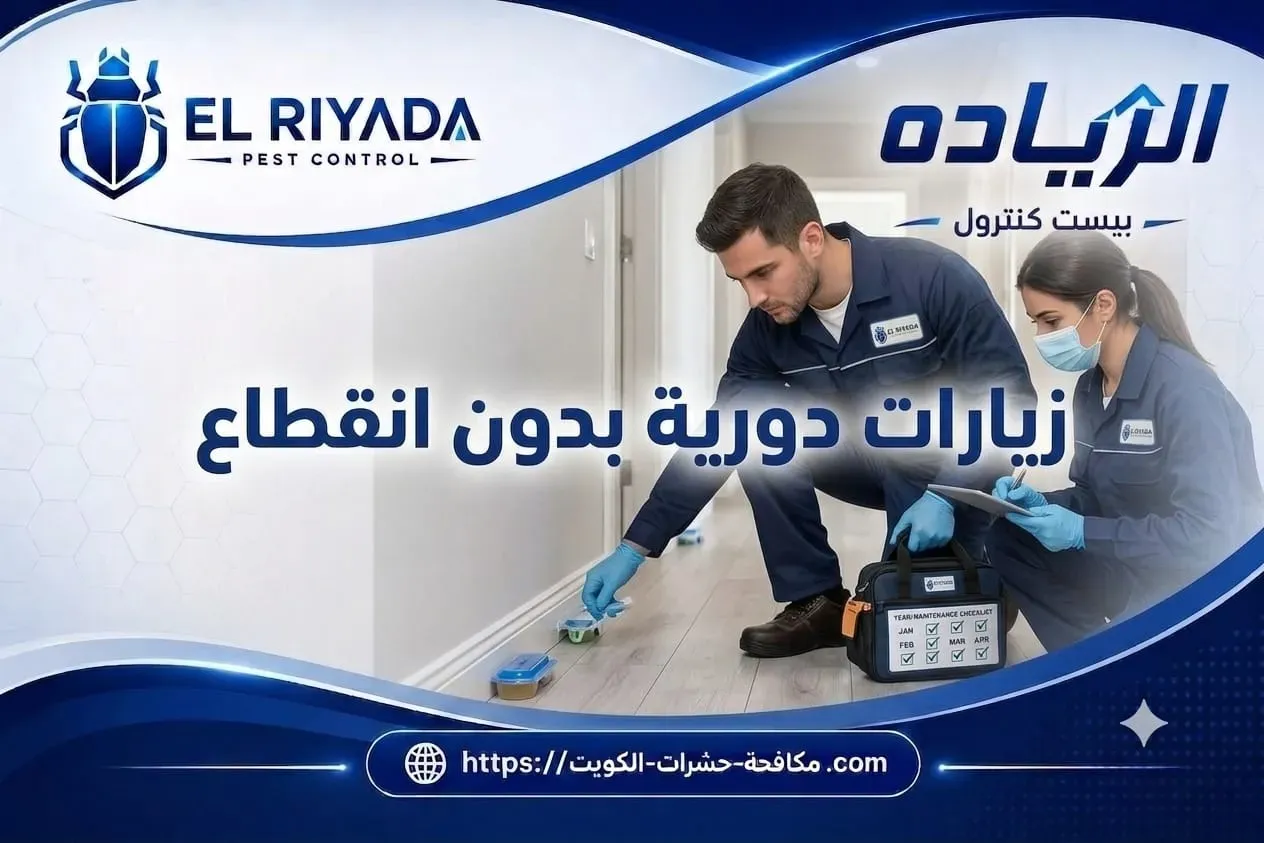
The first weeks after moving in are the best time to inspect, because the home is not yet full of belongings and weak points are still visible. Start with the kitchen, bathrooms and laundry room, since water, pipe outlets and drains attract cockroaches, ants and drain flies. Then move to service rooms, the roof and the yard.
It helps to watch for signs yourself at night and in quiet areas before requesting broad treatment: switch off the kitchen lights for an hour and then turn them on suddenly, look under the sink and behind the fridge and check the edges of external doors. Note what you see by room and date so an old problem brought in with furniture is not confused with a new one. These simple notes save the technician a lot of time on the first visit and help decide whether the home needs treatment now or just prevention.
Prevention contract versus active-infestation treatment
A preventive contract focuses on regular inspection, monitoring with suitable tools, closing potential entry routes and targeted outdoor treatment. Its aim is to detect any activity early and stop it becoming an infestation.
Treating an existing infestation first requires identifying the pest, its density and source, then choosing the right method, followed by follow-up visits until activity stops. Once controlled, the home can move to a preventive programme.
|
Aspect |
Preventive contract |
Active infestation treatment |
|---|---|---|
|
When it fits |
New home with no or minor signs |
Clear activity such as kitchen cockroaches or bed bugs in a room |
|
What is done |
Inspection, monitoring, sealing routes, targeted outdoor treatment |
Identify pest and source, focused treatment, follow-up visits |
|
Visit frequency |
Scheduled, at longer intervals |
Closer at first, then spaced out |
|
Goal |
Prevent infestation |
End the infestation, then switch to prevention |
So do not buy a fixed spray programme for every room if the inspection does not show they need it. The right programme is built on what the inspection finds.
What should be checked after furniture delivery?
Moving furniture is one of the main ways German cockroaches and bed bugs travel between homes. Post-move inspection focuses on:
-
Behind the fridge, washing machine and dishwasher: especially appliances from an old home, as small cockroaches hide inside motors and behind back panels.
-
Where boxes are stored: cardboard is ideal shelter for cockroaches and their eggs, so do not leave it for weeks in the store or under the stairs.
-
Used furniture and mattresses: check mattress seams, bed joints and sofas before they go into bedrooms.
-
Gaps around newly fitted kitchen units: the space between cabinets and walls and around supply and drain pipes, without randomly dismantling sound fittings.
-
Window and door screens and drains: make sure screens are intact, floor drains have tight covers and external doors have sweeps.
Room-specific new-home prevention
Each part of the home has a different risk level, so the programme is built room by room:
-
Kitchen and pantry: monitoring points that can be checked at every visit, such as small monitoring glue traps behind appliances and under the sink, instead of spreading bait within children’s reach. If activity appears, targeted gel treatment is used in cracks and gaps out of reach.
-
Bathrooms and laundry rooms: work starts by checking moisture and leaks before treating any moisture-loving insect, as fixing leaks and covering drains can solve half the problem.
-
Bedrooms: usually need no routine treatment but are checked if there is used furniture or complaints of bites.
-
Garden and gates: assessed separately from the interior, including locked rodent bait stations near the boundary wall and perimeter treatment against scorpions and ants near vacant plots.
-
Roof, annex and driver’s room: often forgotten, even though they may be closest to outside pest sources.
Does every new home need immediate spraying?

Not necessarily. The absence of signs does not automatically justify using insecticides everywhere, especially with young children or pets. At first, sealing gaps, cleaning, removing boxes and monitoring may be more useful than blanket spraying that targets no specific problem.
Some cases do call for early treatment, such as homes next to vacant land or construction sites where scorpion risk is higher, homes where cockroaches appeared in the first week, or homes that received appliances and furniture from an infested property. In these cases chemical treatment is chosen when there is clear evidence, using permitted methods and only in targeted areas. For more on scorpions in new cities, see our guide to scorpion control for homes in new housing areas.
What determines new-home contract cost?
Contract price depends on several factors:
-
Villa size and number of floors, which directly affect inspection and treatment time.
-
Number of kitchens: many villas have an indoor and an outdoor kitchen, each an independent risk point.
-
Annexes, basement and roof, each needing inspection.
-
Garden: its size, palm trees and irrigation system.
-
Contract type: a preventive offer differs from an active-infestation programme that needs intensive treatment visits at first.
-
Number of scheduled and emergency visits included.
Ask for services, materials and visit frequency to be itemised before comparing companies, because a lower price may mean fewer visits or excluding the garden or scorpions.
Kitchen prevention after installation
A new kitchen needs special attention in the first months:
-
Seal gaps around water supply and drain pipes after cabinets are fitted, as these gaps often connect to the wall or shaft.
-
Store dry food such as rice, flour, sugar and spices in sealed, clear containers that are easy to check.
-
Do not ignore small leaks under the sink, which quickly raise the risk and attract cockroaches and drain flies.
-
Empty the bin daily and do not store empty boxes in the kitchen.
-
Clean behind appliances regularly, as food residue there goes unseen.
-
Cover drains, especially if unused for days, because a dried-out water trap opens a route from the drainage network.
Gardens and entrances in a villa plan
In new homes the garden is often planted and irrigated after moving in, which quickly changes the environment around the house. So:
-
Move stored materials such as blocks, soil bags and timber away from walls and entrances.
-
Watch outdoor lighting and doors left open in the evening, because light attracts insects, and insects attract scorpions and geckos.
-
Check water pooling points and planters without harming plants, and fix irrigation leaks.
-
Leave a gap between planters and the house wall.
-
Check palm trees if present, as fronds touching the roof or walls give rodents a route in.
Post-move mistakes that undermine prevention

-
Storing boxes for months behind appliances or in the store, creating hiding places that are hard to inspect.
-
Ignoring a small leak under the sink, which cancels the effect of targeted treatment and attracts new pests.
-
Using scattered household insecticides in every room, which confuses diagnosis, increases unnecessary exposure and may push cockroaches into new areas.
-
Bringing in used furniture without checking it.
-
Leaving yard and kitchen doors open at night without screens.
-
Delaying the call until the problem grows.
How to review preventive contract performance
A preventive programme’s success is not measured by how often it sprays, but by clear indicators:
-
Sighting log: are sightings falling from one visit to the next?
-
Inspection reports: are kitchen and pantry monitoring traps empty or showing declining activity?
-
Recommendations completed: have gaps been sealed, leaks fixed and boxes removed?
-
Programme updates: if room use changes, an annex is added or the garden is planted, monitoring points should be adjusted.
Fewer attractants and sealed gaps are results as important as fewer sightings, because they keep the home protected after the visits end.
Practical example: the first six months in a new home
A family moves into a new villa in Sabah Al Ahmad with indoor and outdoor kitchens, an annex and a small garden next to a vacant plot:
-
Week one: full inspection. No indoor infestation, but the technician notes a gap around the outdoor kitchen pipes, moving boxes in the annex and a vacant plot on the east side. Recommendations: seal the gap, remove the boxes and fit a sweep under the outdoor kitchen door. An external scorpion barrier is applied facing the plot.
-
Month one: kitchen monitoring traps are empty and recommendations have been completed.
-
Month three: a report of ants in the garden after daily watering began. Targeted treatment and advice on adjusting irrigation.
-
Month six: full review. No indoor sightings, the outer barrier is renewed before summer and the next contract has fewer visits because the home is stable.
A new apartment differs from a new villa
Not every new home is a villa with a garden. Many families move into a new apartment in a modern building in Salmiya, Fintas, Mahboula or Sabah Al Salem, and the plan changes:
-
Risk sources are usually shared: shafts, the refuse room, shared drainage stacks and neighbouring flats, so the flat’s connection to these is checked before any indoor treatment.
-
German cockroaches are more common in apartments because they travel between units via pipes and cables, so the focus is on kitchens, bathrooms and pipe openings.
-
Scorpions and rodents are less common on upper floors but may appear on the ground floor or in buildings next to vacant plots.
-
Coordination with the caretaker or owner matters when the source is in common areas.
-
Fewer visits are usually needed in an apartment contract than for a villa, and the cost is lower because the area is smaller and there is no garden.
An owner’s checklist for the first month
To get the best from a preventive programme, complete these simple steps in your first month:
-
Get rid of all moving boxes within two weeks at most.
-
Check and clean behind appliances brought from the old home.
-
Make sure every floor drain has a tight cover.
-
Fit sweeps under kitchen, yard and roof doors.
-
Review gaps around kitchen and bathroom pipes and ask the contractor or maintenance technician to seal them.
-
Store dry food in sealed containers from day one.
-
Record any insect sighting with date, location and photo.
-
Avoid household insecticides before the first visit so the evidence is not disturbed.
Why request a written new-home plan from Al Reyada?

A written plan makes the programme clear for you and the team. When contacting Al Reyada Pest Control, share a floor plan or description of the home, finishing details and any complaints since moving in. Ask for the offer to separate prevention from treatment and to include safety instructions for children and pets and a review schedule. Our team inspects the whole home first, then gives you a written plan that sets out what each part of the home needs, without unnecessary spraying.
Conclusion
A new home deserves a clean start. A pest control contract for a newly occupied home in Kuwait protects your investment from day one, provided it is based on real inspection: monitoring the kitchen and pantry, sealing gaps around pipes, treating the outside perimeter when needed, removing attractants such as boxes and leaks, and reviewing results from visit to visit.
Al Reyada Pest Control provides preventive programmes for new homes and villas across Kuwait. Contact us via the WhatsApp button on our website, tell us your area, home size, number of floors and annexes and anything you have noticed since moving in, and we will arrange the first inspection and contract offer.
Frequently Asked Questions
Does a newly occupied home need immediate spraying?
Not every room needs spraying after moving in. The decision starts with inspecting entry points, moisture and any real signs of infestation, and treatment follows what the inspection finds.
What determines the subscription price for a new home?
Villa size, number of floors and kitchens, annexes, garden, pests covered, number of scheduled and emergency visits, and whether the programme is preventive or curative.
What are the key prevention steps after moving furniture?
Inspect transported appliances and used furniture, get rid of moving boxes quickly, seal gaps around kitchen pipes, cover drains and check the kitchen at night.
How do I know the preventive programme is working?
Through fewer sightings, empty monitoring traps, completed sealing and repair recommendations, and inspection reports comparing conditions from one visit to the next.
Are insecticides safe for children in a new home?
We rely on monitoring and sealing first, and when needed use targeted treatment with licensed products out of children’s reach, with clear re-entry instructions.
My home is next to a vacant plot. Do I need special treatment?
Usually yes, because vacant land is a source of scorpions and rodents. An outer barrier facing the plot and locked bait stations near the boundary wall are normally added.
Is a new apartment contract different from a villa contract?
Yes. An apartment needs more focus on the kitchen, bathrooms, pipe openings and shared building facilities, and usually has fewer visits at a lower cost, while a villa needs inspection of the garden, annexes, roof and outside perimeter.