On a warm evening, often after rain or a rise in humidity, you notice a swarm of small winged insects circling the yard light or balcony lamp. The next morning you find transparent wings scattered by the window or on the door threshold. The first worry for any homeowner is whether these are termites, and whether they are eating the home’s woodwork from the inside.
Answering that requires inspection, not a quick spray. Winged insects around lights may be termites from a nearby colony, ordinary flying ants, or insects that came in from outside with no infestation inside the home at all. This guide explains how flying termite inspection in Kuwait works, how to tell termites from winged ants, what discarded wings mean and when treatment is genuinely necessary. Al Reyada Pest Control carries out these inspections in villas and homes in Jabriya, Mishref, Adan, Qurain, Jahra, Rabiya and beyond.
1. Why Winged Insects Gather Near Lights

Many winged insects gather around lights and windows, so their presence alone does not establish a termite infestation. Begin with an intact specimen and notes about emergence points and timing.
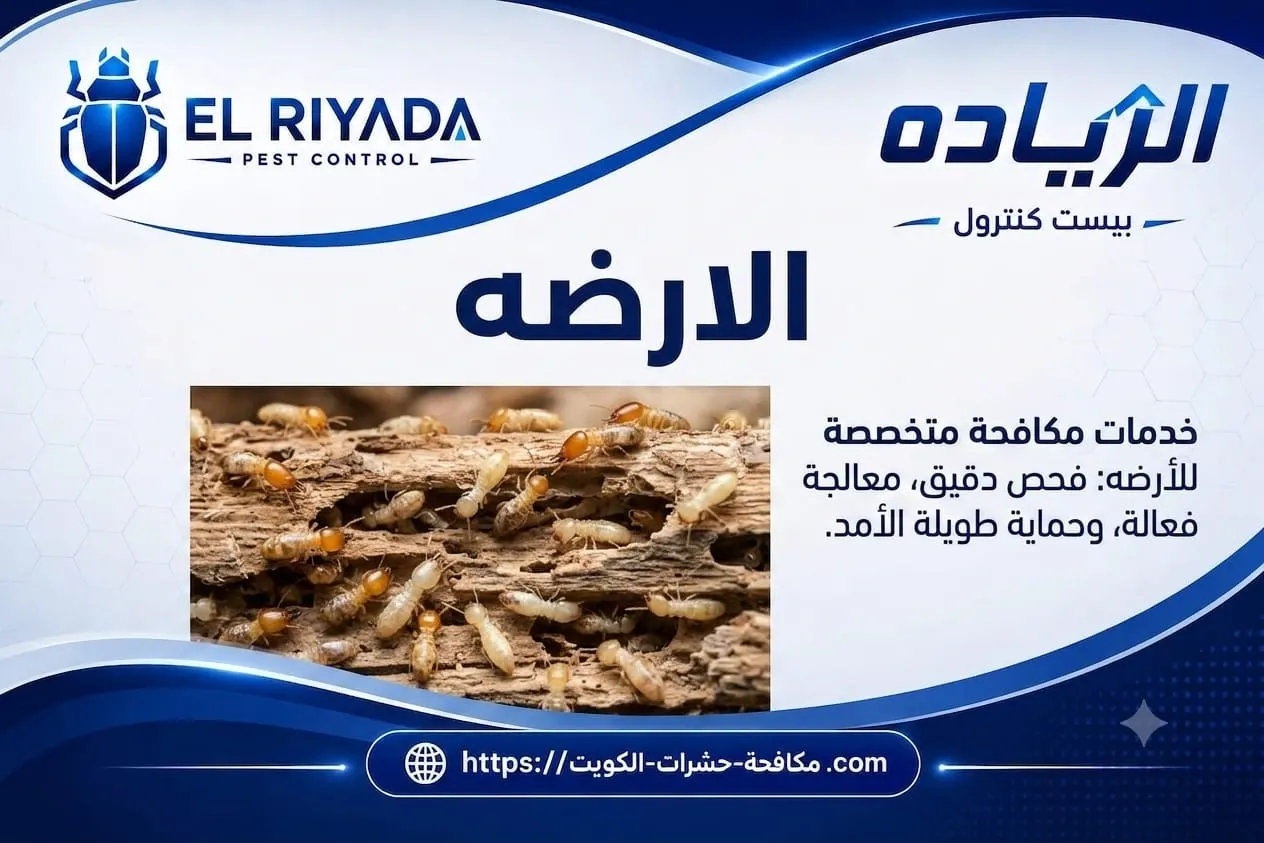
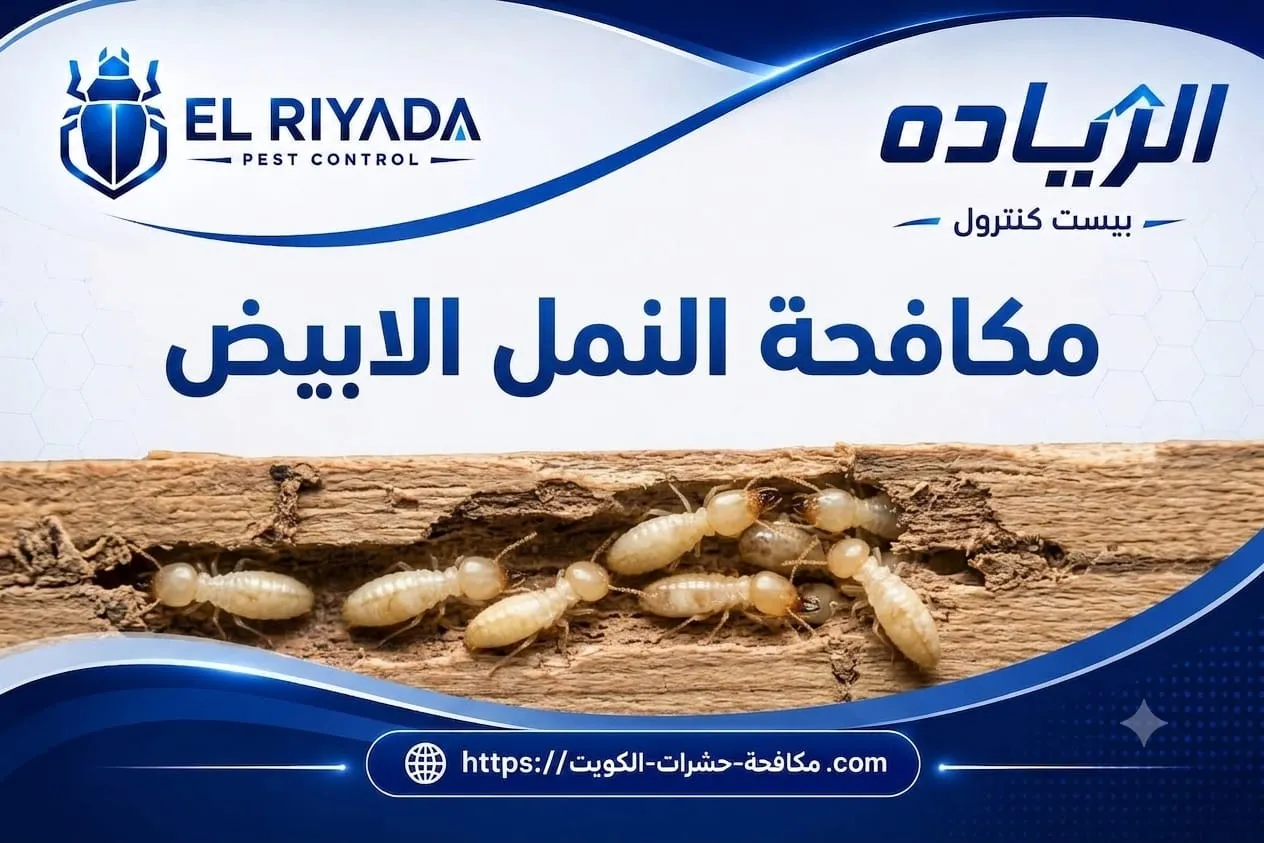
Flying termites are the winged reproductives that leave a mature colony on a mating flight, known as swarming. They usually emerge in particular seasons, often in warm, humid weather and after rain, and they are strongly attracted to light in the evening. After a short flight they drop to the ground and shed their wings, and each pair looks for moist soil or wood to start a new colony. A swarm is therefore a brief event lasting hours or a few days, but its meaning can be significant.
Winged insects clustering at lights do not automatically prove an indoor termite infestation. Flying ants and other insects may behave similarly, particularly near open windows. Record the time, room, number and possible outdoor entry point. Clear photographs or an intact specimen are more useful than a damaged insect sprayed before identification. Discarded wings beside woodwork warrant attention but must be considered alongside other evidence. Correct identification can prevent unnecessary soil treatment and redirect the inspection toward the actual source.
2. Termites Versus Winged Ants
Termite swarmers often have similarly sized wings and a broad waist, while winged ants generally have a narrow waist and different antennae. Damaged specimens may require expert identification.
|
Feature |
Winged termite |
Winged ant |
|---|---|---|
|
Waist |
Broad, body almost uniform |
Narrow and clearly pinched |
|
Wings |
Two pairs of roughly equal length, clearly longer than the body |
Front pair longer than the rear pair |
|
Antennae |
Straight, like a string of tiny beads |
Bent at an angle like an elbow |
|
Wing shedding |
Wings shed quickly after landing, leaving small piles |
Large numbers of shed wings are less common |
|
Colour |
Usually dark or brown |
Varies by species |
Body shape, antennae and relative wing lengths may help distinguish flying ants from termite swarmers, although poor photographs can make identification unreliable. The technician should also look for mud tubes, moisture problems and unusual wood damage. For example, insects appearing on a balcony light after rain without any interior evidence call for a different response than repeated emergence from an interior crack. The report should distinguish likely identification from verified structural activity.
3. What Discarded Wings Mean
Discarded wings can indicate a passing or nearby swarm but do not independently locate a colony. Record their distribution alongside mud tubes and wood damage.
Wings shed inside a closed room, away from windows and doors, mean something different from wings piled outside the glass or on the yard threshold. The first suggests emergence from inside the building, from a floor crack, behind a skirting board or from a timber frame. The second may mean the swarm came from the garden or a neighbouring vacant plot and was drawn to the light.
Map the lights, window frames and rooms where insects appeared before cleaning away the evidence. The inspection should consider door thresholds, wood-to-wall junctions and damp areas without unnecessary damage to finishes. Wing distribution may help identify an emergence point, but it is not conclusive by itself. A non-destructive assessment should normally precede any invasive examination. The report should explain what was found, what remains uncertain and whether further inspection is justified.
4. Windows and Light Fixtures
Inspect window frames, door edges and light surrounds without opening live electrical fittings. Electrical repair and insect inspection must remain safely separated.
Location changes the meaning of a sighting: insects outside a window near a garden lamp are not equivalent to insects emerging from an indoor crack. Record approximate numbers, timing and weather before spraying, because intact specimens improve identification.
The technician pays particular attention to windows with timber frames or interior wooden panels, and to places where AC condensation collects near windows, because constant moisture makes wood more attractive to termites. An outdoor light mounted on a wall next to a planter or irrigated lawn is also checked, as this is often the closest point between moist soil and the house wall.
5. Does a Swarm Prove Indoor Infestation?

Not necessarily: insects may enter from outdoors during swarming season. Repeated emergence from a fixed crack, mud tubes or hollowed wood warrants closer investigation.
Inspectors look for shelter tubes, concealed damage and hollow-sounding wood where relevant, but winged insects alone do not establish an indoor colony. Review moisture and leak history alongside visible evidence. Documenting negative findings matters too because it helps avoid broad treatment without support.
Mud tubes are one of the clearest signs of subterranean termites: narrow tunnels about the width of a pencil, made of soil and debris, built on walls, foundations or behind skirting so termites can travel between soil and wood away from light and dry air. If you break a small section and see small white insects moving inside, that strongly suggests current activity.
6. Defining a Villa Inspection
A villa inspection may cover wall-floor junctions, timber doors, storage areas and damp zones. Destructive opening is not automatic and should be evidence-led.
If visual identification remains uncertain, retain a specimen in a closed container and photograph the wings and antennae. Avoid randomly dismantling window frames or timber panels: doing so can damage finishes without revealing the source.
In Kuwaiti villas, typical risk points include timber door frames on the ground floor, kitchen and bathroom cabinets near leaks, basements and stores holding cardboard and old timber, wooden staircases, annexes and drivers’ rooms, and external walls next to planters. The technician orders the inspection according to where wings were found, starting with the nearest areas and working outwards.
7. Samples Before Treatment
Keep a few specimens in a suitable container and photograph the collection point. Spraying visible swarmers indiscriminately can obscure evidence without treating an underlying colony.
In a villa with a garden, compare gatherings around outdoor lights with evidence in adjacent rooms. Door edges and floor-to-wall junctions can indicate whether insects entered through an open door or emerged indoors. This comparison matters more than the insect count alone.
Keeping a sample is simple: place a few insects or wings in a small sealed bag or empty pill container, photograph them on white paper in good light and write the room and date on the bag. This small step can save a full visit or quickly show that the case needs urgent inspection.
8. When Treatment Is Justified
Treatment should follow identification and evidence of active infestation. Sometimes monitoring or correcting an exterior access route is more appropriate than extensive treatment.
After identification, the recommendation may be seasonal monitoring, targeted treatment or a broader property assessment. The choice depends on insect identity, evidence of activity and exposed wood or soil conditions. Wall injection should never be selected from an unclear photograph alone.
When termite activity is confirmed, options usually include targeted treatment of affected wood, a chemical soil barrier around the building using licensed products, or termite baiting systems installed in the soil around the building and monitored regularly. The technician explains why a particular method suits your case, what preparation is needed and when follow-up visits will take place.
9. Inspection Costs and Reports

Inspection fees vary with property size, access and equipment. Ask for a report describing specimens, evidence, uncertainty and recommended follow-up.
When requesting a price, ask whether species identification, evidence reporting and recommendations are included, or whether the visit covers only a quick visual check. Accessing a suspended ceiling differs from examining an accessible window. Confirm the cost of extra tests before authorising them.
10. Common Identification Errors
Confusing ants with termites, relying on blurry photographs or treating every wing as proof of active damage can lead to costly decisions. Identification needs building context.
Confusing flying ants with termites can lead to inappropriate treatment, while discarding shed wings before photographing them loses useful evidence. Avoid sealing a suspected emergence gap before documenting and inspecting it. First establish the insect type, then interpret the route.
Another mistake is simply spraying the swarm at the lamp and assuming the problem is over. An aerosol kills only the flying individuals. If a colony exists, it remains in the soil or wood and keeps working out of sight until damage appears in a door frame or cabinet months later.
11. What to Ask Al Reyada
Before booking, ask Al Reyada Pest Control whether identification, risk-point inspection and written findings are included. The real value of an inspection is that it bases the decision on evidence: whether it is termites, where the activity is and what treatment fits.
Judge Al Reyada’s inspection by the clarity of its findings: was the insect identified, is there evidence of infestation, and what would justify reassessment? Request photographs and recommendations proportional to the observed risk rather than a fixed treatment list. If infestation is confirmed, the team explains the treatment and follow-up plan and the preparation needed from you beforehand.
Conclusion
Flying termites around your lights are a signal worth taking seriously, but they are not a final verdict. Keep a sample, photograph shed wings before cleaning them, avoid random spraying and request an inspection that identifies the insect and checks for mud tubes, damaged wood and moisture sources. That way you avoid costly treatment you do not need, while making sure a real infestation does not develop silently inside your home.
Al Reyada Pest Control provides termite inspection and identification across Kuwait. Contact us via the WhatsApp button on our website, send a clear photo of the insect or wings and where they appeared, and we will help with an initial assessment and arrange an inspection visit.
Frequently Asked Questions
Do flying insects at my lights mean my house has termites?
Not necessarily. They may be flying ants, or termites from outside drawn to the light. Suspicion increases if insects or wings repeatedly emerge from an indoor crack, or if mud tubes or damaged wood are found.
How can I tell termites from flying ants?
Termites have a broad waist, four wings of nearly equal length and straight antennae. Flying ants have a narrow waist, longer front wings and elbowed antennae.
What should I do with wings found by the window?
Photograph them where they are before cleaning, keep some in a sealed bag labelled with the room and date, and send the photos to the technician.
When do flying termites appear in Kuwait?
Usually in warm, humid weather and after rain, in the evening when winged reproductives are drawn to lights.
Is spraying the swarm enough?
No. Spraying kills only the flying individuals. If there is a colony, it remains in the soil or wood. Identifying the insect and inspecting the home matter most.
Does a termite inspection require breaking walls or tiles?
Usually not. Inspection starts with non-destructive methods, and finishes are opened only if strong evidence justifies it and with your approval.